Polypropylene (PP) spunbond non woven fabric is a core raw material in diaper construction, valued for strength, breathability, softness, and controlled liquid handling. This guide explains where the material is used in a diaper, which properties matter to buyers and technical teams, and what to verify before specifying it for baby, adult, or incontinence products.
Scope note: the points below describe general material behavior and typical diaper applications. Exact GSM, width, thickness, absorption rate, and performance values depend on the specific grade supplied and must be confirmed against the supplier's technical data sheet and samples.
What Is Polypropylene Spunbond Non Woven Fabric?
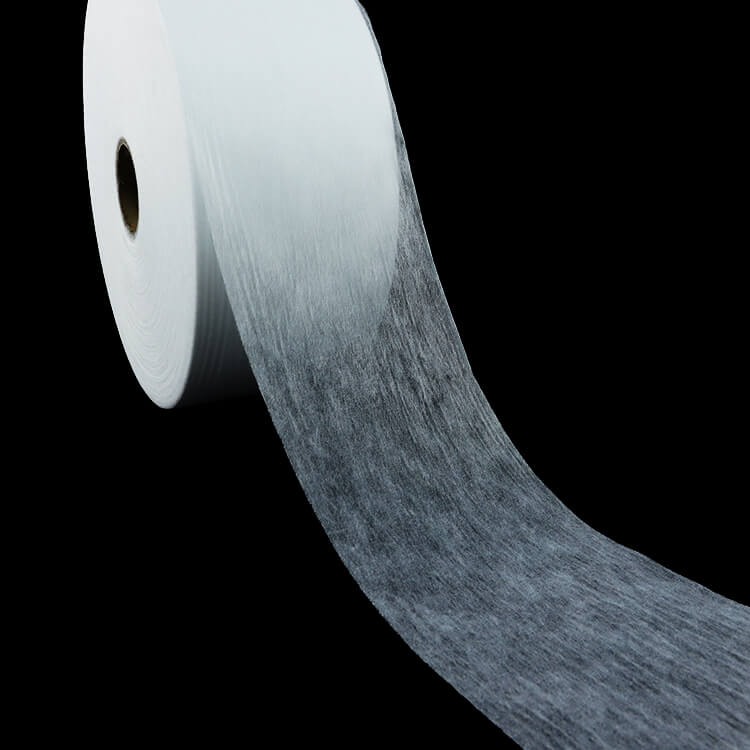
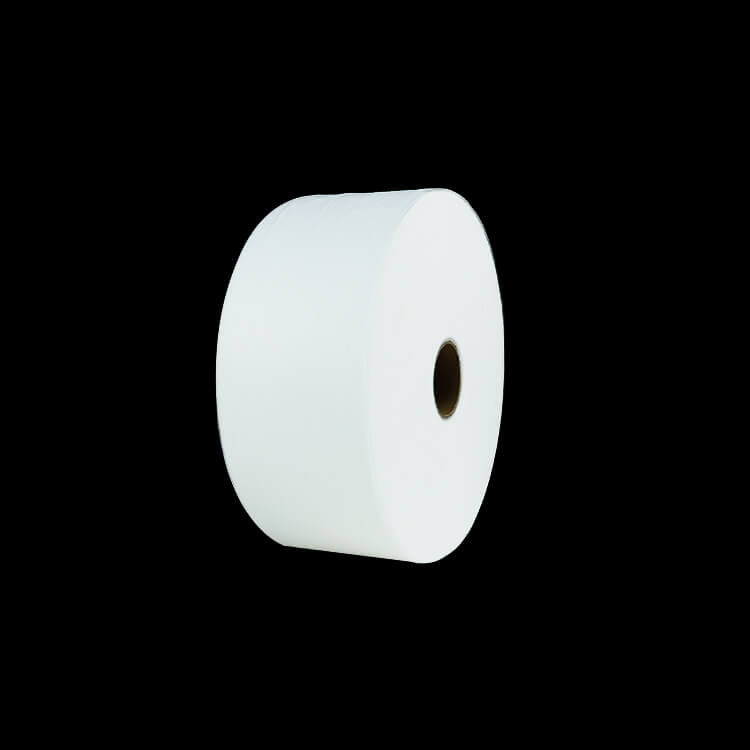
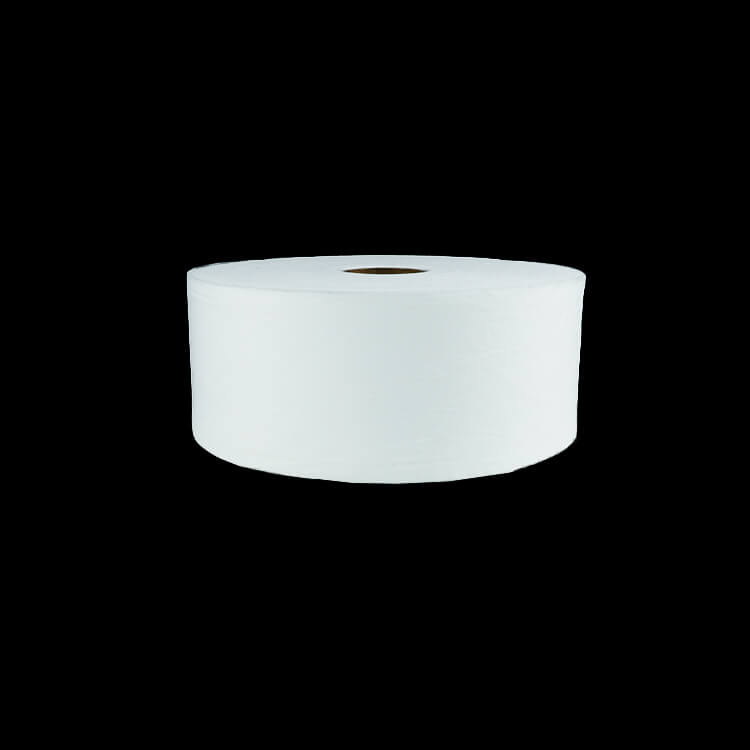
Spunbond non woven fabric is produced by extruding polypropylene filaments, laying them into a web, and bonding them together. The result is a continuous fabric with no woven or knitted structure. In hygiene products, this material is used in several distinct positions, and each position has different requirements.
Where PP Spunbond Non Woven Fabric Is Used in a Diaper
A diaper is a layered product, and spunbond non woven fabric can appear in more than one layer. The most common positions are:
-
Top sheet / acquisition layer: the skin-contact layer that must allow liquid to pass through quickly while feeling soft and dry.
-
Leg cuffs: often a hydrophobic grade that helps contain liquid at the edges.
-
Backsheet or outer cover components: where a soft, cloth-like feel and breathability are required.
-
Ear and closure areas: where strength and a soft hand feel support fit and fastening.
Because these positions have different jobs, a single "spunbond" description is not enough. Buyers should specify the layer, the required surface behavior (hydrophilic or hydrophobic), and the mechanical requirements for that position.
Key Benefits in Diaper Production
1. Liquid Handling and Skin Dryness
Hydrophilic spunbond grades are used where liquid must move quickly away from the skin. The fabric helps pull moisture into the absorbent core and reduce the amount of liquid sitting at the surface. This supports a drier feel and helps lower the risk of skin irritation associated with prolonged moisture exposure.
For buyers, the practical question is not simply "is it absorbent" but "how fast does it acquire liquid, and does it stay dry on the surface after repeated insults." These are testable properties, and they should be confirmed with the supplier rather than assumed.
2. Lightweight and Breathable Construction
Spunbond fabric is lightweight relative to its strength, which helps keep the finished diaper thin and flexible. Its porous structure allows air circulation, which can reduce heat and moisture build-up inside the diaper. Better airflow supports a healthier skin environment and improves comfort during wear.
Breathability and liquid barrier performance are a trade-off. A more open structure improves airflow but may reduce containment. This is why backsheet and cuff specifications should be set against the actual product design, not chosen in isolation.
3. Softness and Skin-Friendly Feel
Softness matters most in the layers that touch the skin. A smooth, gentle surface reduces friction and rubbing, which helps lower the chance of redness or irritation. Softness also affects how the diaper feels to the caregiver and how easily it conforms to the body.
Softness is influenced by fiber fineness, bonding method, and basis weight. When comparing suppliers, ask for samples and evaluate hand feel alongside measurable properties rather than relying on a general description.
Material Criteria a Hygiene Raw-Material Buyer Should Confirm
|
Criterion
|
Why It Matters
|
What to Ask the Supplier
|
|
Hydrophilic or hydrophobic grade
|
Determines whether liquid passes through or is repelled
|
Which grade is recommended for top sheet, cuff, or backsheet use?
|
|
Basis weight (GSM)
|
Affects strength, thickness, softness, and cost
|
What GSM options are available for the intended layer?
|
|
Width and roll format
|
Must match converting equipment and reduce trim waste
|
What widths and roll diameters can be supplied?
|
|
Mechanical strength
|
Prevents tearing during high-speed converting and during wear
|
What tensile and elongation data are available?
|
|
Surface behavior
|
Affects dryness, rewet, and skin comfort
|
What acquisition and rewet test data can be provided?
|
|
Consistency and documentation
|
Supports stable production and quality control
|
What certificates and batch records are available?
|
The table lists the criteria categories only. Specific values must come from the supplier's verified technical documents for the exact grade being quoted.
Production and Converting Considerations
Spunbond non woven fabric runs on standard hygiene converting lines, but performance depends on how the material is specified for each layer. Key production points include:
-
Layer matching: confirm that the grade selected for the top sheet, cuff, and backsheet matches the machine's tension and web-handling settings.
-
Roll consistency: stable roll width, winding, and splice quality reduce downtime and waste.
-
Adhesive and bonding compatibility: the non woven surface must bond reliably with the hot melt adhesive and closure system used in the product.
-
Core integration: the top sheet must work together with the acquisition distribution layer, SAP, and fluff pulp to deliver the intended absorbency.
For related material options, see the verified Non Woven Fabrics range and the polypropylene non woven fabric for hygiene applications overview.
Trade-Offs to Keep in Mind
No single non woven grade is best for every position. Common trade-offs include:
-
Higher softness may come with lower strength, depending on construction.
-
Higher breathability may reduce liquid containment.
-
Higher basis weight can improve strength and opacity but increases material usage and cost.
-
Hydrophilic treatment improves liquid passage but must be stable over time and through storage.
These trade-offs should be resolved against the target product performance, not by selecting the highest or lowest value on any single property.
Questions to Ask Before Ordering
-
Which layer is this material intended for, and does it need hydrophilic or hydrophobic behavior?
-
What GSM, width, and roll format are required for our converting line?
-
Can the supplier provide technical data sheets and samples for evaluation?
-
What test methods are used for acquisition, rewet, tensile, and elongation?
-
How is batch-to-batch consistency controlled?
-
What documentation, certificates, and traceability records are available?
-
How does this grade interact with our adhesive, SAP, and closure system?
Conclusion
Polypropylene spunbond non woven fabric supports diaper performance through liquid handling, breathability, softness, and mechanical strength. Its value depends on matching the correct grade to each layer and confirming properties with verified supplier data. Buyers who specify the layer, surface behavior, and mechanical requirements clearly, and who validate samples before mass production, are better positioned to achieve consistent comfort and quality in the finished product.




 Email: info@whldiapernonwoven.com
 MP/WhatsApp: +86-13599937366
 Manufacturer Address:Room 1105B, Bld M1, Manhattan, Yulongwan, Shimao, Shuanglong Road, Meiling Street, Jinjiang, Fujian, China