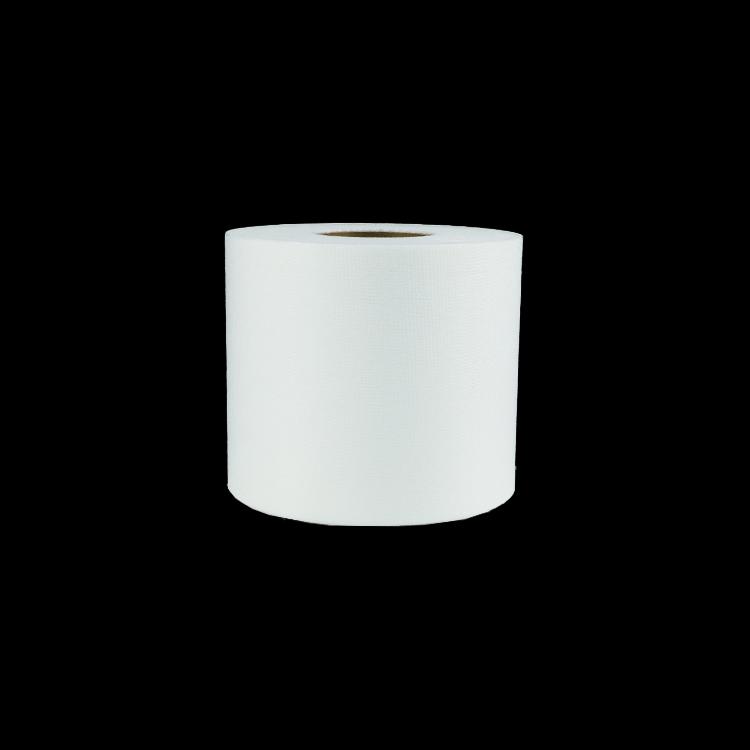
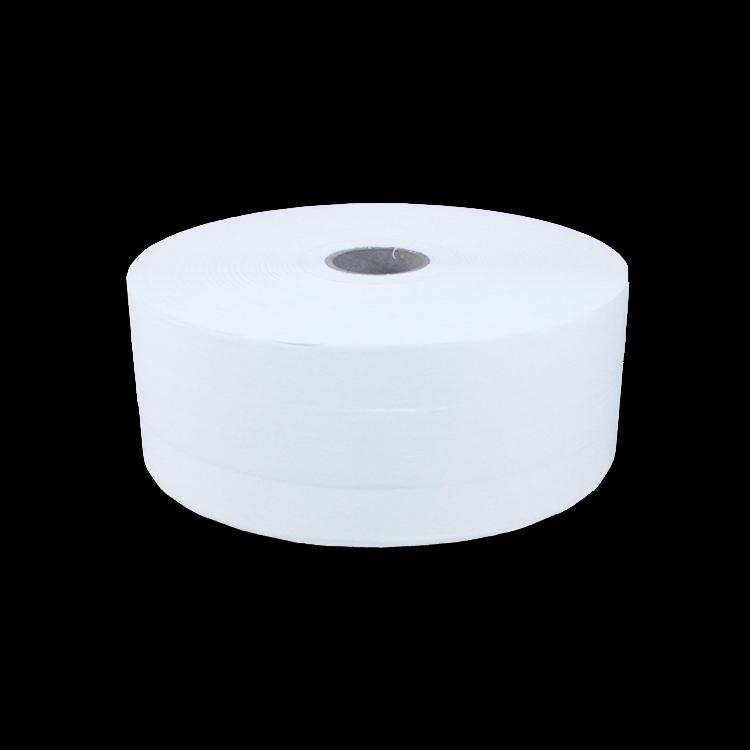
Frontal tape loop is the landing zone that diaper side tapes and hook tapes attach to. Its job is to hold a secure closure, allow repeated opening and refastening, and stay comfortable against the waist. This guide explains what the material does in hygiene products, which performance criteria matter, how it behaves on high-speed production lines, and what a raw-material buyer should verify before ordering.
The scope here covers frontal tape loop used in baby diapers, adult incontinence products, and related disposable hygiene items. It does not cover side tape, hook tape, or backsheet selection except where they interact with the loop surface.
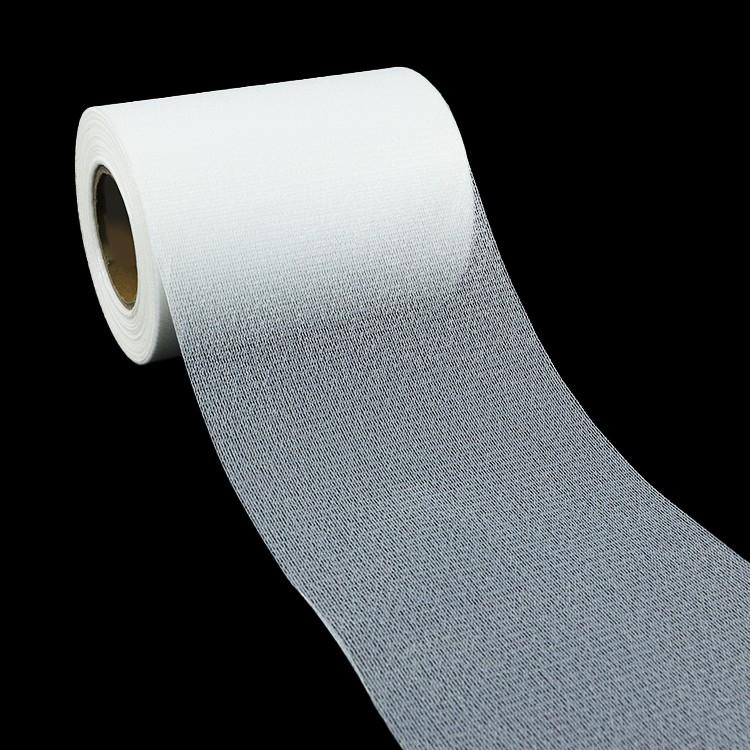
1. What Frontal Tape Loop Does in Hygiene Products
Frontal tape loop is mainly used as the landing zone for diaper side tapes. It allows the diaper to be opened and refastened multiple times while maintaining strong adhesion and secure closure.
A high-quality frontal tape loop helps:
-
Provide stable fastening performance
-
Support repeated opening and closing
-
Improve overall diaper usability
This makes it an essential component in modern baby diapers and adult incontinence products. The loop surface must match the hook or side tape system it pairs with, because fastening performance is a property of the combined closure system, not of the loop material alone.
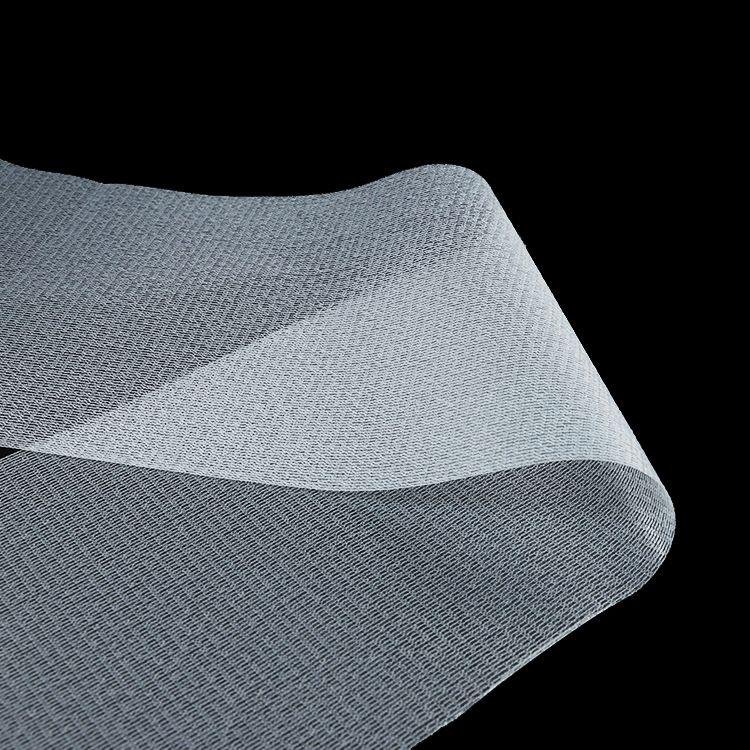
2. Stable Adhesion for Better Security
Reliable adhesion is critical for preventing diapers from loosening during movement. Advanced frontal tape loop solutions are designed to provide strong and consistent bonding with hook tapes or side tapes.
Key benefits include:
-
Secure diaper fit
-
Reduced risk of accidental opening
-
Better leakage protection through improved fastening stability
Stable adhesion ensures that the diaper remains comfortable and effective throughout use. In practice, buyers should confirm peel and shear behavior against the specific hook tape used on the line, since loop-and-hook performance depends on both surfaces. Where a supplier provides test data, ask which test method and which mating tape were used.
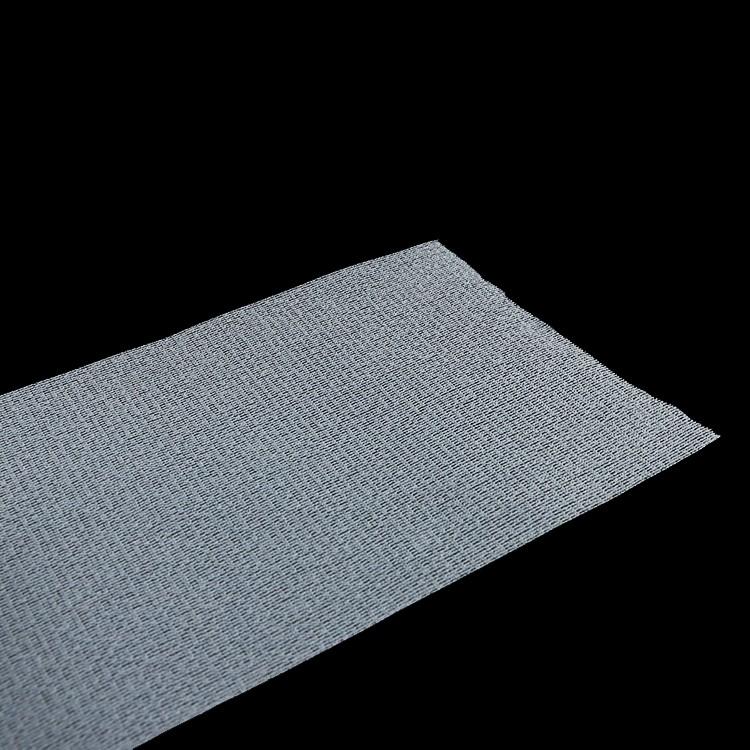
3. Comfort and Flexibility
Modern frontal tape loop materials are developed to be softer and more flexible, helping improve the user experience.
These advanced materials contribute to:
-
Better comfort during wear
-
Reduced stiffness around the waist area
-
Improved adaptability to body movement
Comfort is especially important for babies and active users who require flexible and skin-friendly hygiene products. Softness and flexibility are usually balanced against fastening strength: a very soft loop surface may need a different hook tape or lamination setup to reach the same closure security.
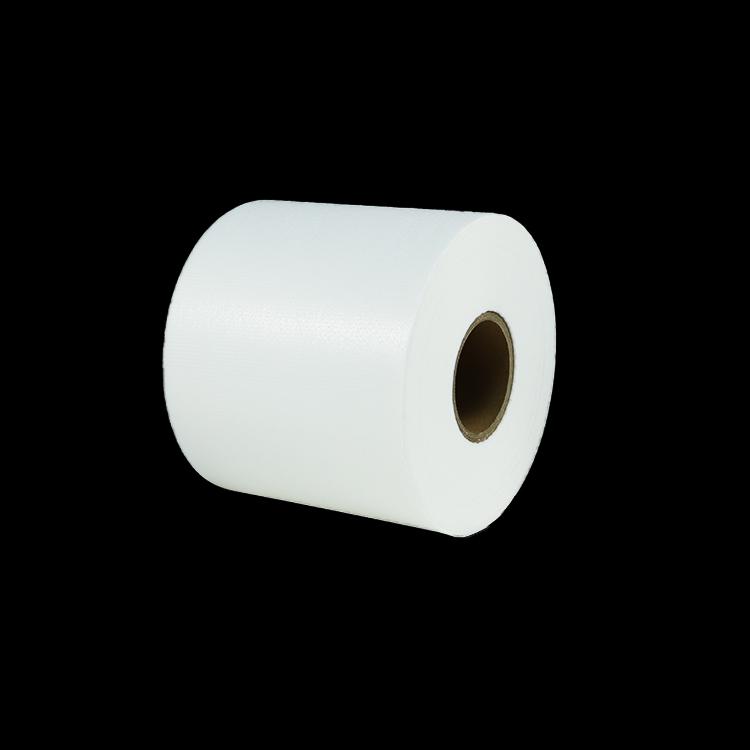
4. Supporting High-Speed Production
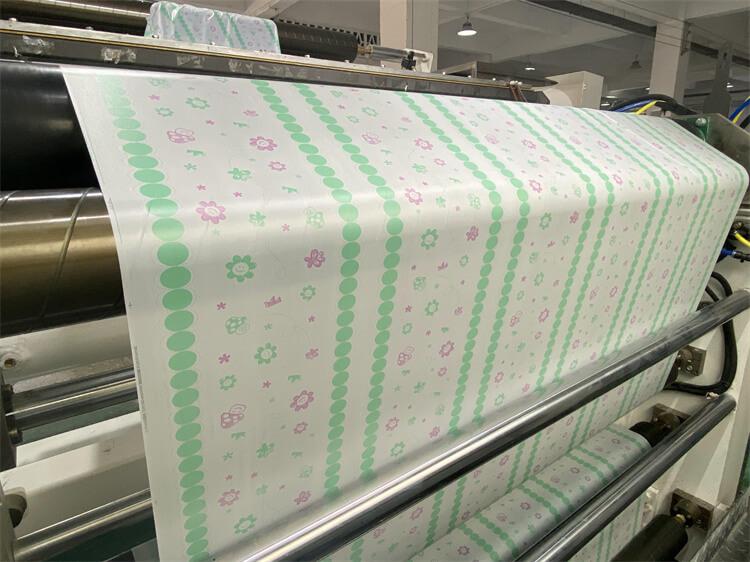
Advanced frontal tape loop solutions are also designed for efficient processing on high-speed diaper production lines. Consistent material quality helps manufacturers achieve stable performance and reduce production issues.
For manufacturers, this means:
-
Improved production efficiency
-
Reduced defect rates
-
Better product consistency
Choosing reliable frontal tape loop materials can significantly improve manufacturing performance. Roll-to-roll consistency matters here: stable width, winding, and surface quality help avoid web breaks, misalignment, and adhesive issues during lamination and converting.
Material and Specification Criteria Buyers Should Confirm
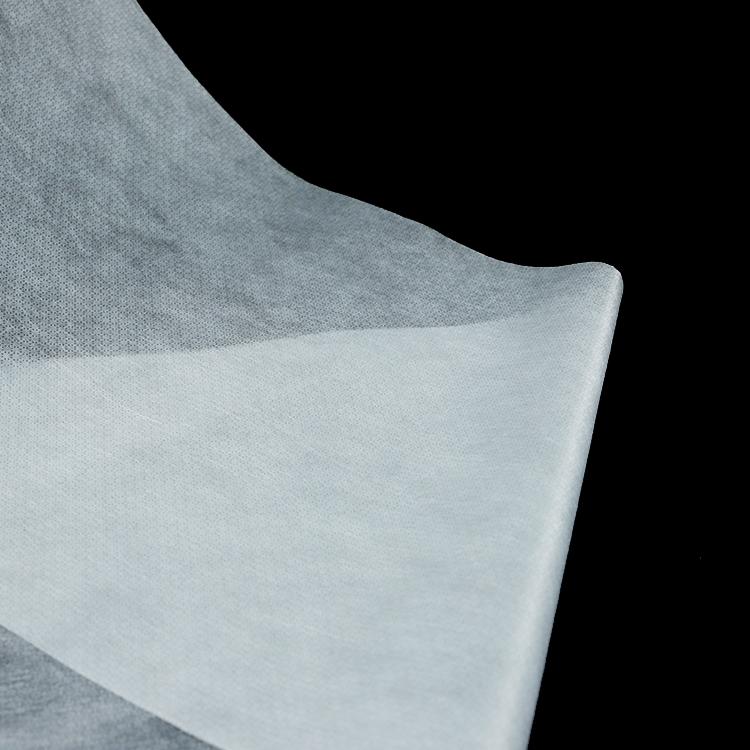
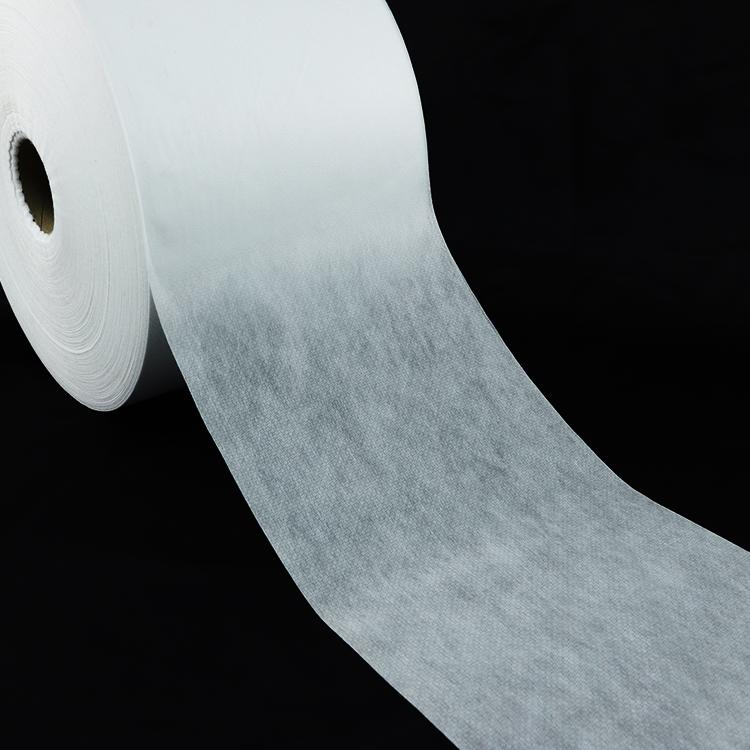
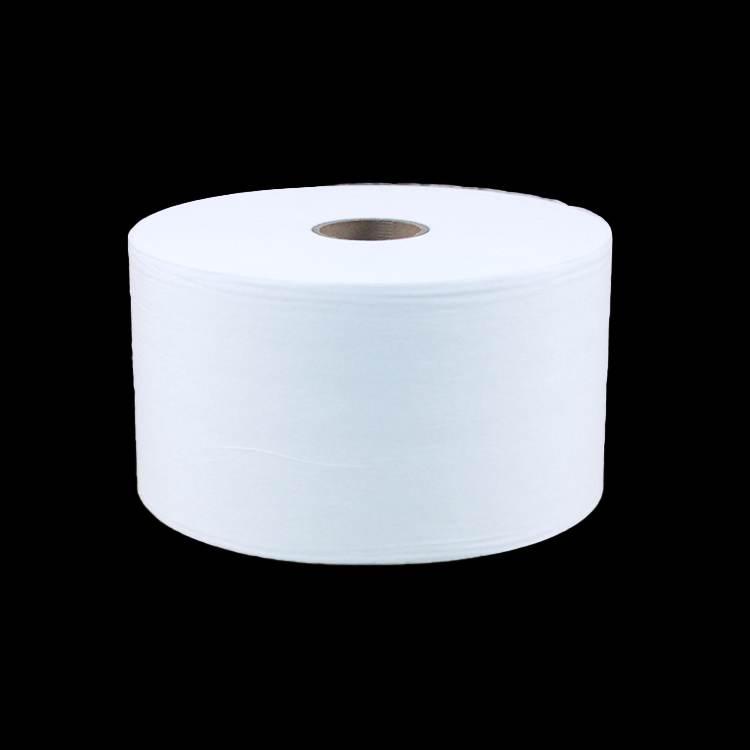
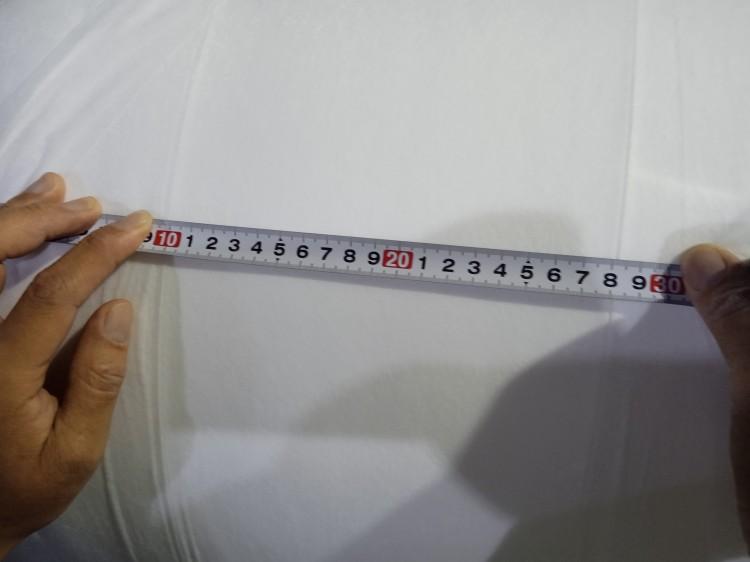
Frontal tape loop is typically a non woven-based material, and its performance depends on fiber type, surface structure, and how it is laminated. Because exact GSM, width, thickness, and fastening values vary by product and application, buyers should request the supplier's current specification sheet rather than assume values.
|
Criterion
|
Why it matters
|
What to ask the supplier
|
|
Surface structure
|
Determines how the hook or side tape engages the loop
|
Which hook tape system was the material validated against?
|
|
Softness and flexibility
|
Affects waist comfort and fit during movement
|
How is softness controlled batch to batch?
|
|
Roll consistency
|
Affects splicing, alignment, and defect rates on high-speed lines
|
What are the width and winding tolerances?
|
|
Lamination compatibility
|
Affects bonding with backsheet and adhesive systems
|
Which adhesives and substrates has it been run with?
|
|
Inspection and documentation
|
Supports incoming quality control and traceability
|
Which certificates and test reports are available?
|
Where a supplier cannot provide measured data for a criterion, treat any performance claim as an assumption until it is confirmed by sample trial.
Production Application and Trade-offs
On a diaper line, frontal tape loop is unwound, laminated or bonded to the backsheet area, and positioned as the landing zone for the closure system. Each step introduces trade-offs:
-
Softness vs. fastening strength: softer loop surfaces improve comfort but may require a matched hook tape to keep closure security.
-
Thinness vs. handling: lighter materials can reduce bulk but may be more sensitive to tension and alignment during converting.
-
Adhesion vs. refastening: a very aggressive bond can make repeated opening harder for caregivers.
Because these trade-offs interact, the practical approach is to trial candidate materials on the actual production line with the actual hook tape, then evaluate fastening, comfort, and runnability together.
Questions a Hygiene Raw-Material Buyer Should Ask
-
Which substrate and fiber type is the frontal tape loop made from?
-
What are the confirmed GSM, width, and thickness for the offered grade?
-
Which hook tape or side tape was used in fastening tests, and what method was applied?
-
How does the material perform after repeated open-and-close cycles?
-
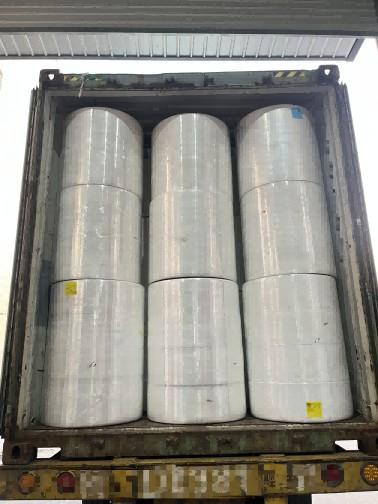
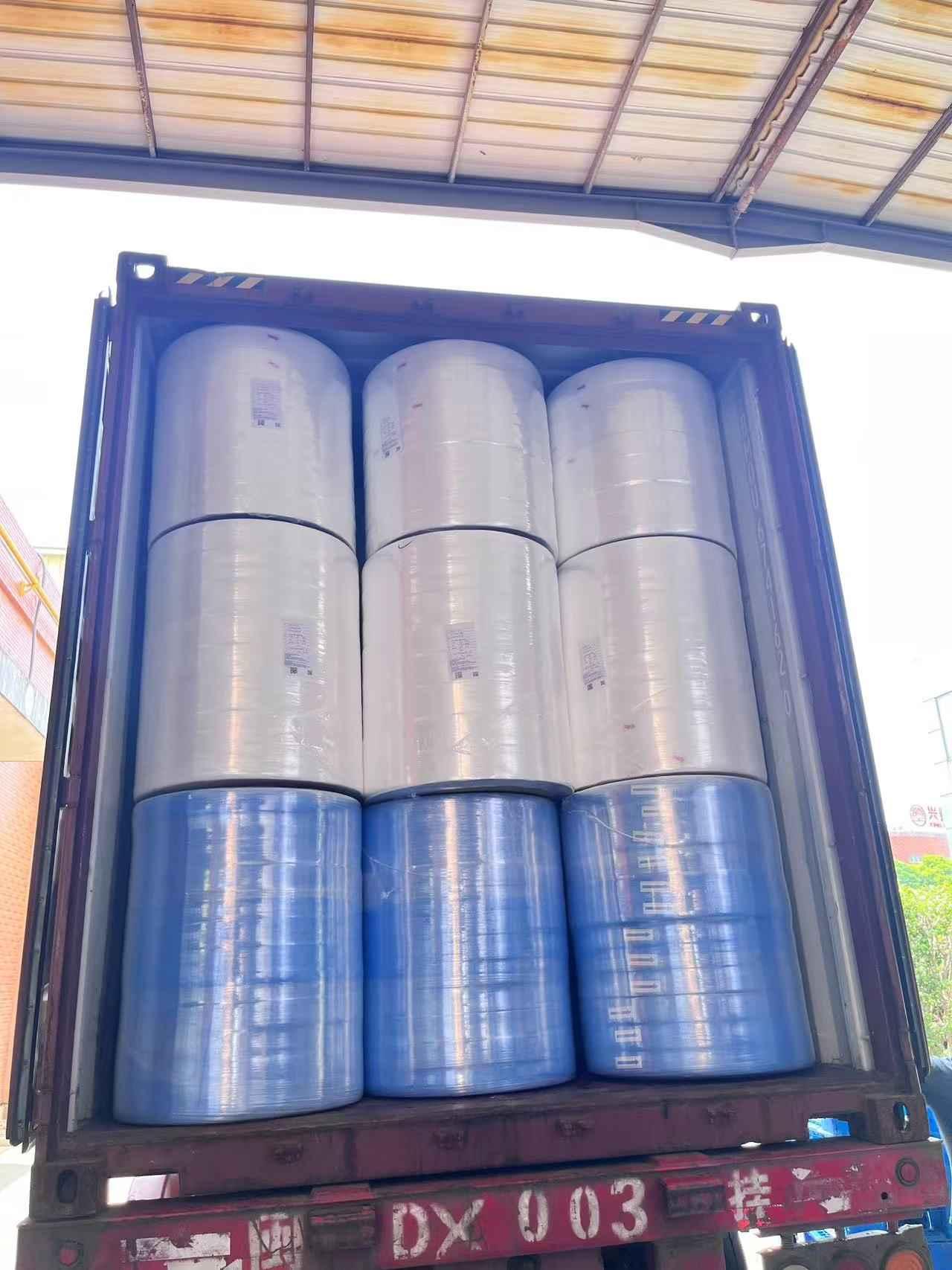
What are the roll dimensions, winding, and packaging specifications?
-
What storage conditions and shelf life are recommended?
-
Which certificates, test reports, and batch traceability documents are provided?
-
What are the MOQ, lead time, and sample policy?
For related closure-system components, buyers can review diaper frontal tape loop with stable adhesion and the broader non woven fabrics range used across diaper construction.
Conclusion
Advanced frontal tape loop solutions play a vital role in modern hygiene product manufacturing. Their ability to provide stable adhesion, comfort, flexibility, and production efficiency makes them an important component in high-quality diapers.
As the hygiene industry continues to develop, reliable frontal tape loop materials will remain essential for achieving better product performance and long-term customer trust.
If you are looking for dependable frontal tape loop solutions for hygiene products, feel free to contact us for more information.




 Email: info@whldiapernonwoven.com
 MP/WhatsApp: +86-13599937366
 Manufacturer Address:Room 1105B, Bld M1, Manhattan, Yulongwan, Shimao, Shuanglong Road, Meiling Street, Jinjiang, Fujian, China