Sanitary pads and diapers rely on a layered absorbent structure rather than a single "miracle" material. The performance most users notice — dryness, fit, breathability, and leak control — comes from how several raw materials work together: non woven fabrics, backsheet film, hot melt adhesive, superabsorbent polymer (SAP), fluff pulp, tissue or absorbent paper, and closure system components. This article explains how those materials function in sanitary pads and diapers, what buyers should verify before specifying them, and where the real trade-offs sit.
1. What Materials Actually Go Into a Sanitary Pad or Diaper?
A hygiene product is an engineered stack of materials, each with a defined job. Understanding the stack is the first step to specifying raw materials correctly.
-
Top sheet: a hydrophilic non woven fabric that lets liquid pass through quickly while feeling soft against skin.
-
Acquisition / distribution layer (ADL): moves liquid away from the top sheet and spreads it across the core so SAP can absorb it efficiently.
-
Absorbent core: SAP combined with fluff pulp and tissue or absorbent paper to hold and retain liquid.
-
Backsheet: a film that blocks liquid while allowing controlled breathability.
-
Closure system: tape or hook-and-loop components that keep the product positioned.
-
Hot melt adhesive: bonds the layers and holds the construction together during use.
Each layer has its own specification — GSM, width, softness, permeability, and bonding behavior — and changing one layer usually forces adjustments in the others. That is why raw-material selection is a system decision, not a single-item purchase.
2. How Superabsorbent Polymer (SAP) and the Core Work Together
SAP is the component responsible for absorbing and retaining liquid under pressure. Its performance depends on how it is distributed within the core, how much fluff pulp surrounds it, and how well the ADL feeds liquid into it. A well-designed core absorbs quickly, retains liquid under the weight of the wearer, and resists rewetting the top sheet.
In practice, buyers evaluate SAP and core materials on absorption capacity, absorption speed, retention under load, and rewet — not on absorbency claims alone. These values must be confirmed by the supplier's technical data and by your own trial runs, because they change with core design, compression, and the surrounding layers.
3. Non Woven Fabrics: Top Sheet, ADL, and Comfort
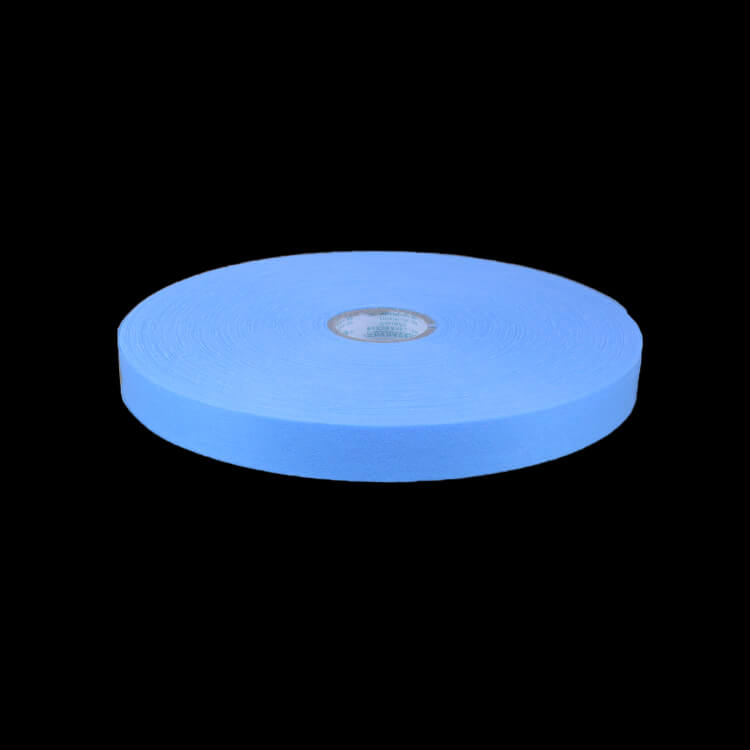
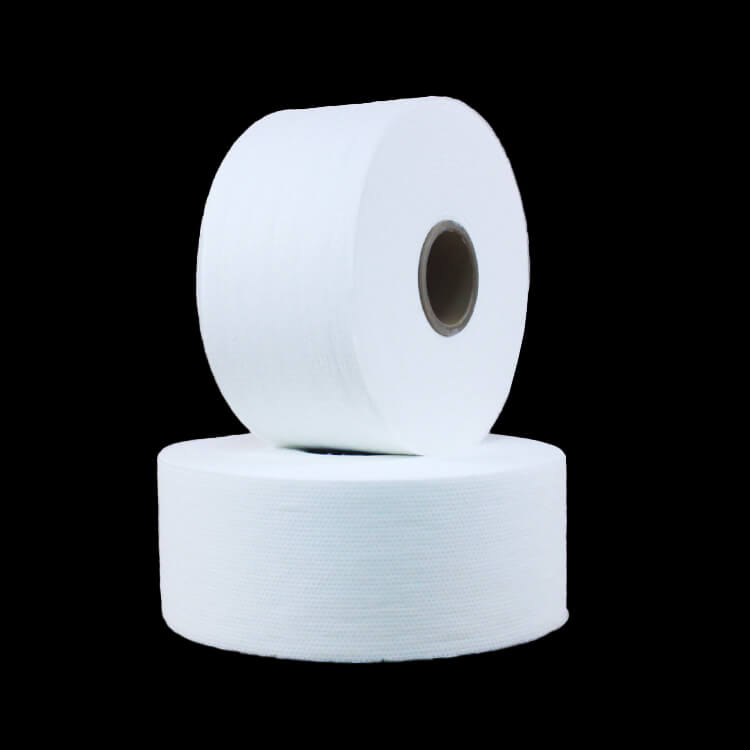
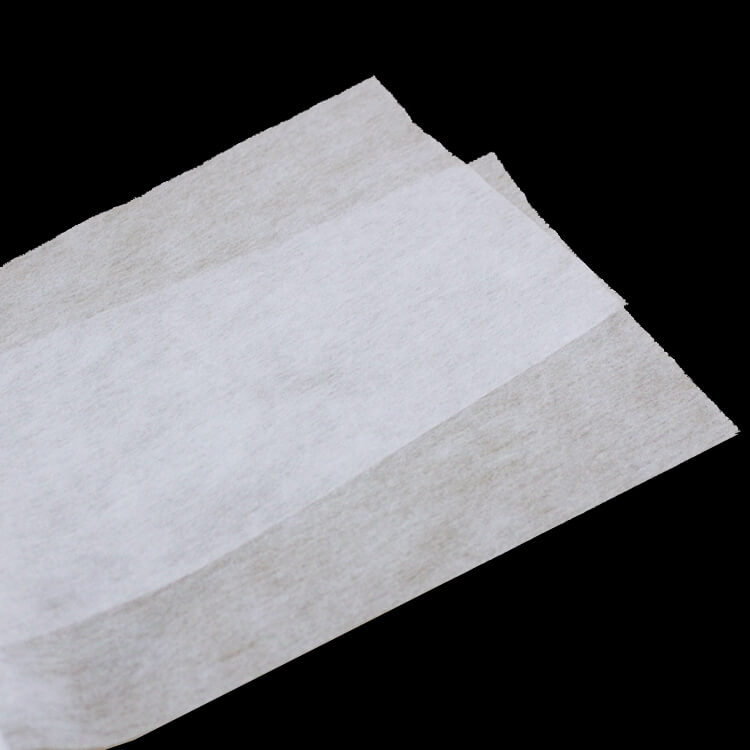
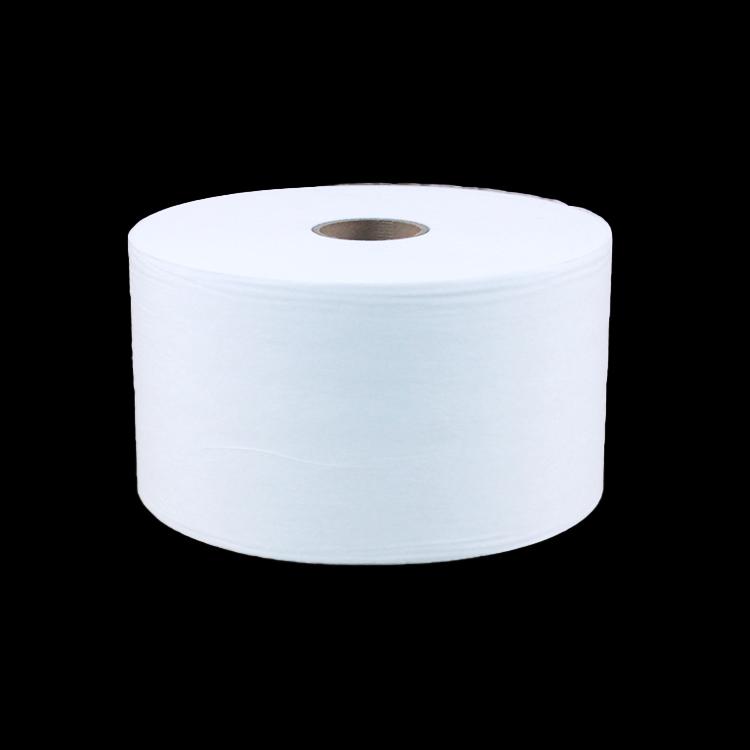
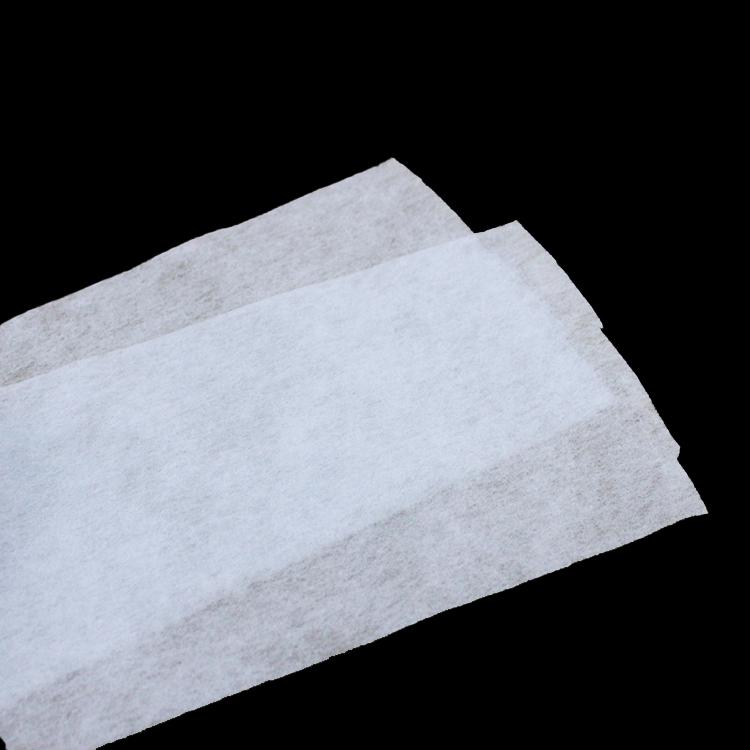
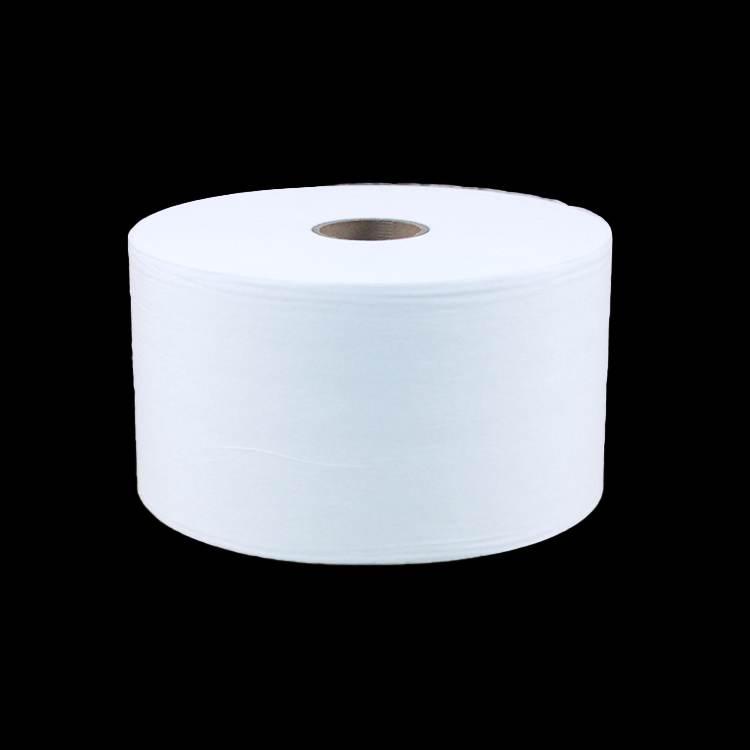
Non woven fabrics carry most of the skin-contact experience. Hydrophilic spunbond and hot-air (through-air) non wovens are common choices for top sheets and ADL because they can be engineered for fast liquid strike-through, low rewet, and a soft hand feel. Air-through non woven is often selected where bulk and softness matter more than thinness.
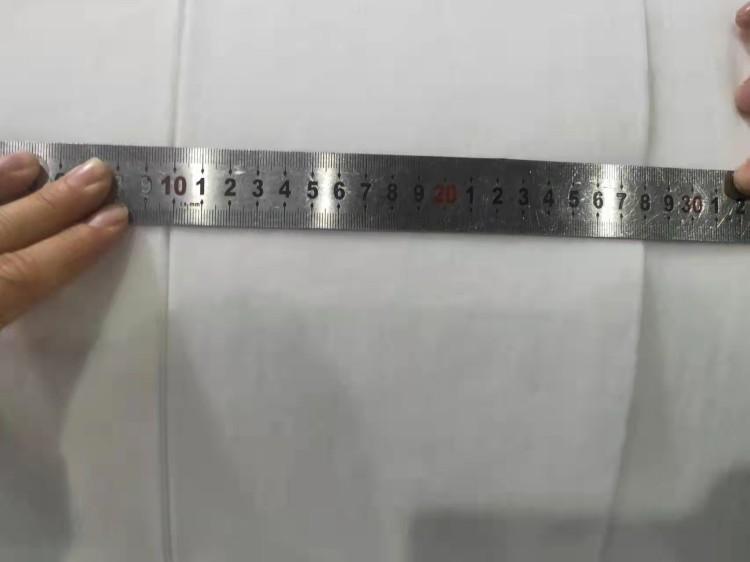
For buyers, the practical questions are: Is the fabric hydrophilic or hydrophobic? What is the GSM and width? How does it behave on your converting line — tension, static, and bonding? A fabric that performs well in a lab test can still cause line problems if its mechanical properties do not match your equipment.
4. Backsheet Film, Breathability, and Leak Protection
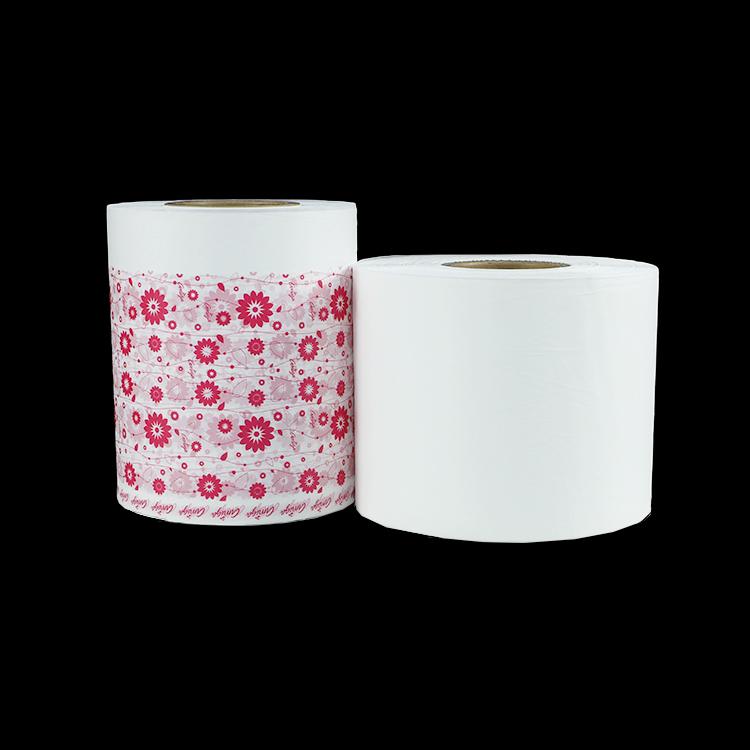
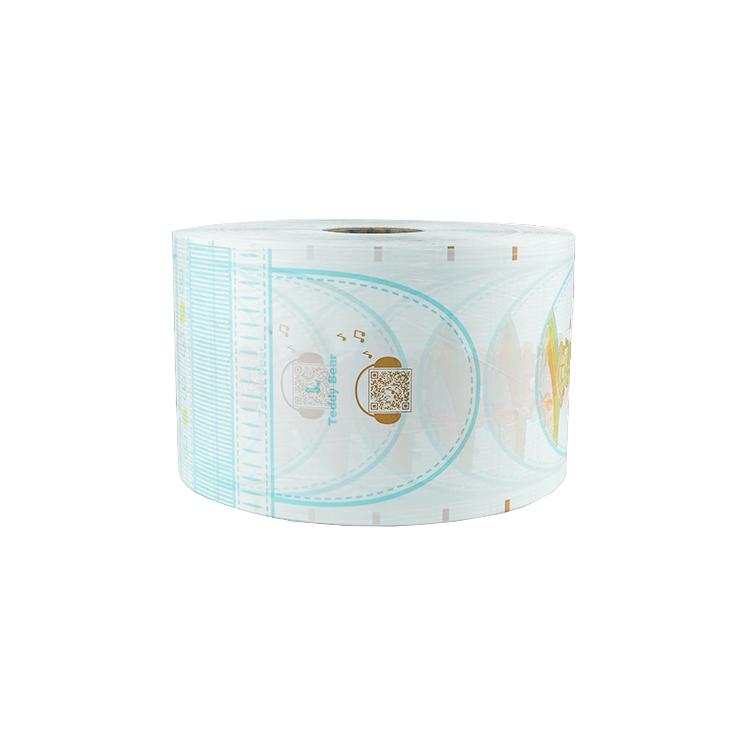
The backsheet is the barrier layer. It must prevent liquid from escaping while managing heat and moisture so the product stays comfortable. Breathable films trade some barrier strength for air permeability, so the right choice depends on the product type — a thin panty liner, a night-use pad, and an adult incontinence product will not use the same backsheet specification.
When comparing backsheet films, confirm thickness, width, tensile behavior, and how the film bonds with your adhesives. Poor adhesion at the backsheet is a common source of leakage complaints that are wrongly blamed on the absorbent core.
5. Hot Melt Adhesive and Closure Systems
Hot melt adhesive holds the construction together: core bonding, backsheet lamination, and closure attachment. Its open time, viscosity, and adhesion profile must match your line speed and substrate combination. A mismatch shows up as delamination, adhesive bleed-through, or weak tape performance.
Closure system components — tape or hook-and-loop — determine how well the product stays in place. Buyers should verify peel and shear behavior on the actual backsheet film being used, since closure performance is a property of the tape-plus-film pair, not the tape alone.
6. What a Hygiene Raw-Material Buyer Should Verify
Before approving any material, work through a structured checklist rather than relying on a single performance claim.
-
Specification sheet: confirm GSM, width, thickness, and mechanical properties in writing.
-
Material identity: confirm whether the fabric is hydrophilic or hydrophobic, and whether the film is breathable or barrier.
-
Line compatibility: request samples and run them on your own converting equipment.
-
Inspection criteria: agree on incoming inspection items, sampling, and acceptance limits.
-
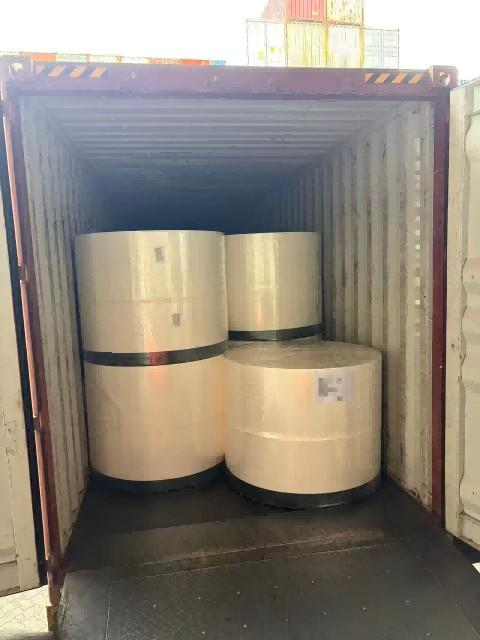
Packaging and storage: confirm roll packaging, core size, and storage conditions to protect material before use.
-
Commercial terms: confirm MOQ, lead time, and documentation requirements in the quotation.
A sample that passes on your line is worth more than any specification table. Trial runs also reveal how a material interacts with the rest of the stack, which is where most real-world problems appear.
7. Common Misconceptions About "Revolutionary" Materials
Marketing language often presents one material as the single breakthrough behind better pads and diapers. In reality:
-
No single material delivers dryness, fit, and breathability on its own — the layered structure does.
-
Thinner products are achieved through core design and SAP distribution, not by removing absorbent capacity.
-
Antibacterial or odor-control claims must be supported by the supplier's documentation, not assumed.
-
Performance measured in a lab does not automatically transfer to a high-speed production line.
Buyers should separate verified facts — supplier data, your own trial results, and inspection records — from assumptions and general claims.
8. Sourcing the Full Material Stack
Because sanitary pads and diapers depend on multiple coordinated materials, sourcing them from a supplier who understands the whole construction reduces compatibility risk. WEIHONGLAI supplies diaper raw materials and disposable hygiene-product materials, including non woven fabrics, backsheet films, hot melt adhesive, SAP, fluff pulp, spandex, tissue, release and absorbent paper, and closure system components.
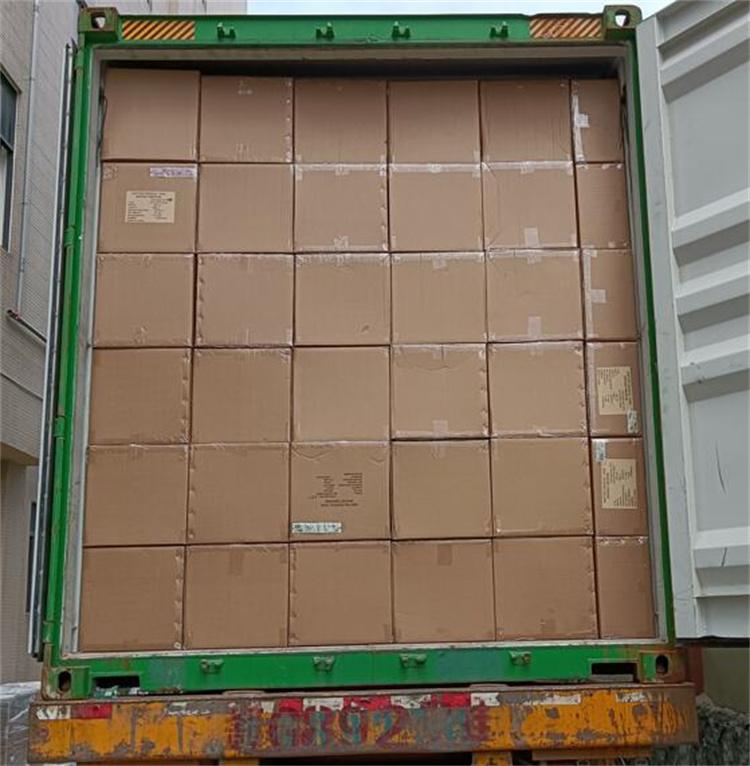
Buyers can review the Non Woven Fabrics range for top sheet and ADL options, and see how mixed material orders are prepared in the case study on mixing and loading sanitary napkin raw materials. For a broader view of the material set, the product catalog covers the related categories.
Conclusion
The real innovation in sanitary pads and diapers is not one material but the way non woven fabrics, backsheet films, SAP, fluff pulp, adhesives, and closure systems are engineered to work together. For purchasing and technical teams, the priority is to verify specifications, test samples on your own line, and confirm inspection, packaging, and commercial terms before committing. That approach delivers the dryness, comfort, and leak protection users expect — and keeps production predictable.




 Email: info@whldiapernonwoven.com
 MP/WhatsApp: +86-13599937366
 Manufacturer Address:Room 1105B, Bld M1, Manhattan, Yulongwan, Shimao, Shuanglong Road, Meiling Street, Jinjiang, Fujian, China