ADL, also known as Acquisition Distribution Layer, is an important raw material used in baby diapers and other hygiene products. It is placed between the top sheet and the absorbent core, helping liquid pass through quickly and distribute evenly inside the diaper. High quality ADL can significantly improve the absorption performance and comfort of diapers.
This guide explains the main functions of ADL in diaper construction, the performance criteria buyers and technical teams typically evaluate, and the questions a hygiene raw-material buyer should ask before selecting an ADL non woven supplier.
What Is an Acquisition Distribution Layer (ADL)?
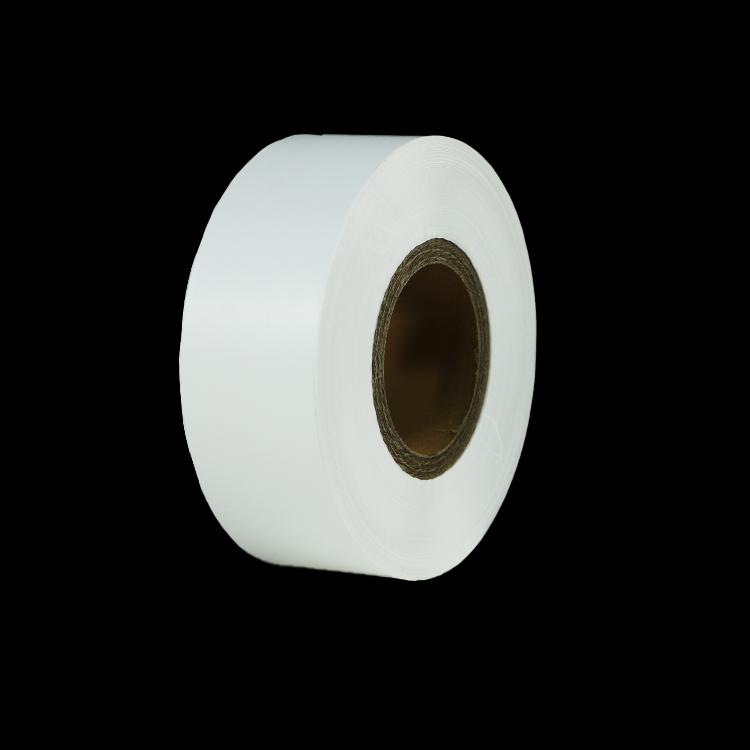
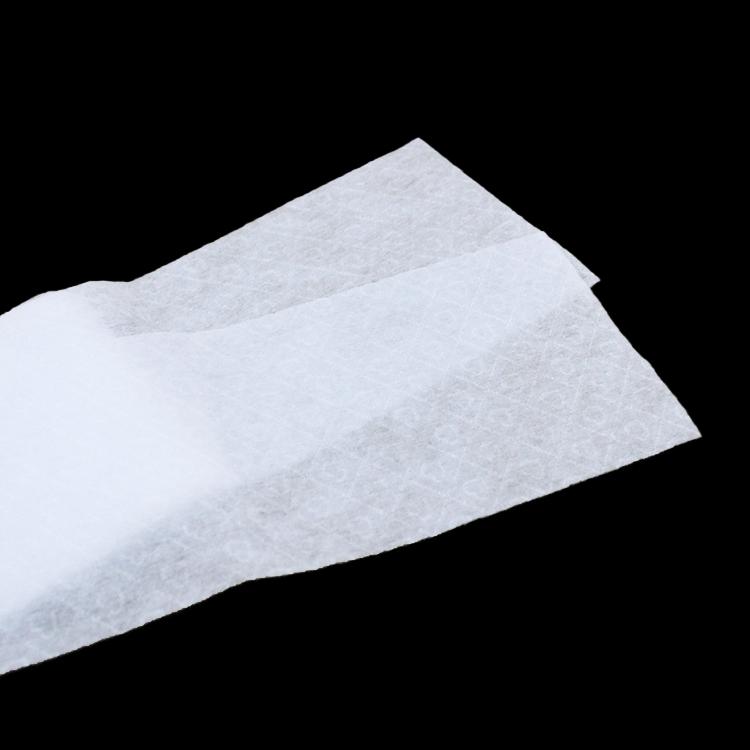
The ADL is a functional non woven layer positioned between the top sheet and the absorbent core. Its role is to acquire incoming liquid quickly and distribute it across the core rather than letting it concentrate in one spot. Because it sits directly in the liquid path, ADL behavior influences how fast the diaper feels dry, how evenly the core is used, and how much liquid returns to the surface under pressure.
ADL materials are used across baby diapers, adult incontinence products, sanitary napkins, and related disposable hygiene items. The right construction depends on the product type, the absorbent core design, and the target performance level.
Fast Liquid Acquisition
One of the main functions of ADL is to quickly transfer liquid from the diaper surface to the absorbent core. When babies urinate, the ADL layer helps reduce liquid accumulation on the surface, keeping the top sheet dry and comfortable. This can effectively reduce skin irritation and improve the wearing experience for babies.
Acquisition speed is a core selection criterion. A layer that acquires too slowly leaves liquid standing at the surface; a layer that acquires quickly but releases poorly can slow the core's uptake. Buyers should confirm acquisition performance against the specific top sheet and core combination used in their product, not in isolation.
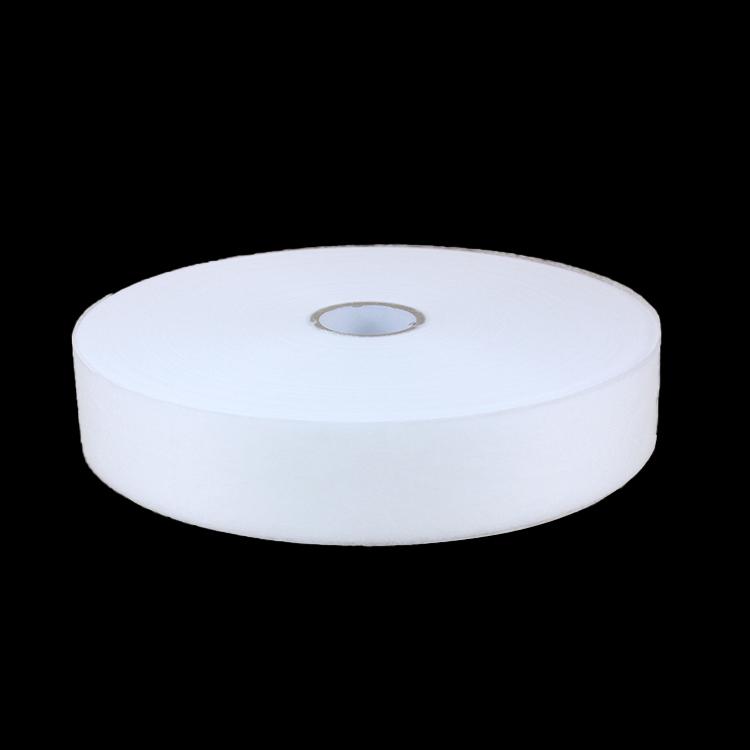
Better Liquid Distribution
ADL not only absorbs liquid quickly but also distributes it evenly throughout the absorbent core. Without ADL, liquid may concentrate in one area, causing leakage or uncomfortable wet spots. With a good ADL layer, the diaper can utilize the absorbent core more efficiently and improve total absorption capacity.
Distribution performance matters most in products with a defined core footprint, such as baby diapers and adult incontinence briefs. If liquid is not spread across the core, the effective capacity of the product drops even when the SAP and fluff pulp specification is unchanged.
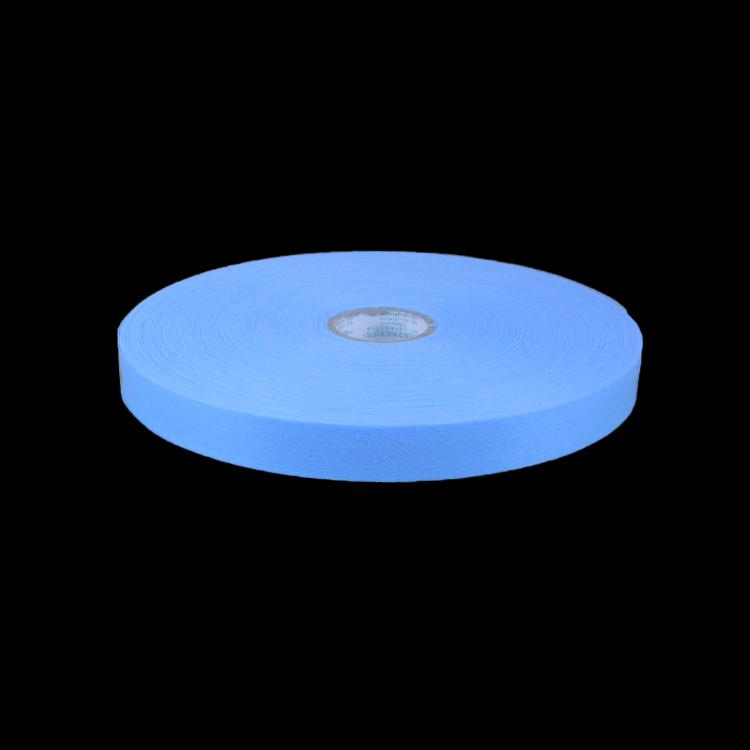
Improved Dryness and Comfort
Dryness is one of the most important factors for premium diapers. ADL helps reduce rewet by preventing liquid from returning to the surface after absorption. This keeps the diaper feeling drier for a longer time and enhances baby comfort during both daytime and nighttime use.
Rewet performance is closely tied to how the ADL, top sheet, and core interact. When evaluating samples, buyers should test the full stack rather than the ADL alone, because a change in top sheet or core can shift rewet results even if the ADL is unchanged.
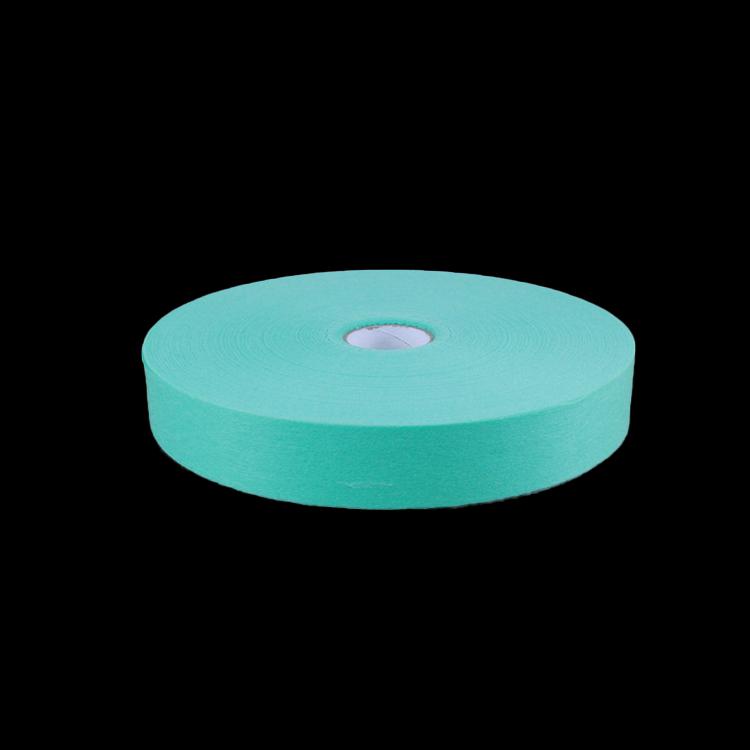
Enhanced Diaper Performance
Modern diaper manufacturers pay great attention to ADL quality because it directly affects diaper performance. Softness, thickness, absorption speed, and breathability are all important features when selecting ADL materials. Different types of ADL can also be used for baby diapers, adult diapers, and sanitary napkins according to product requirements.
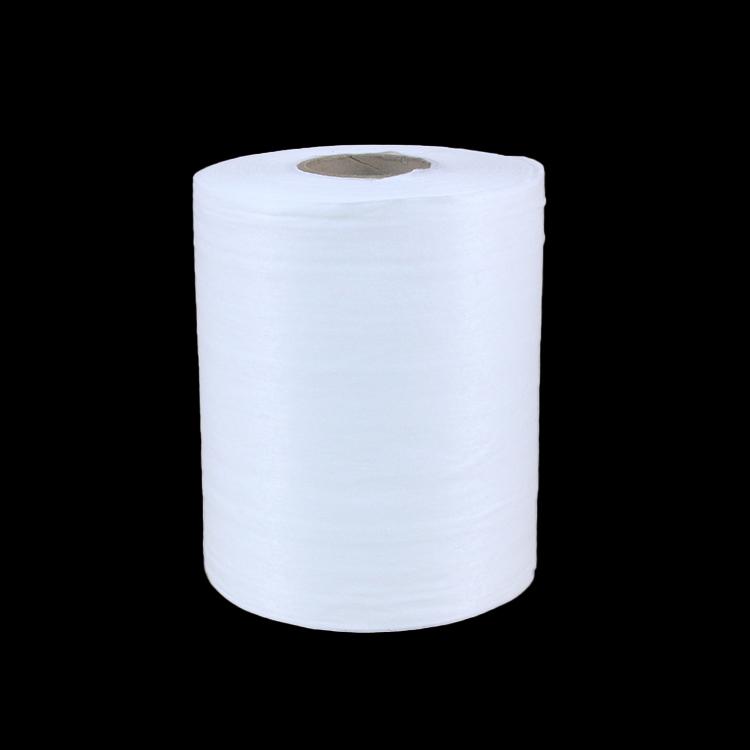
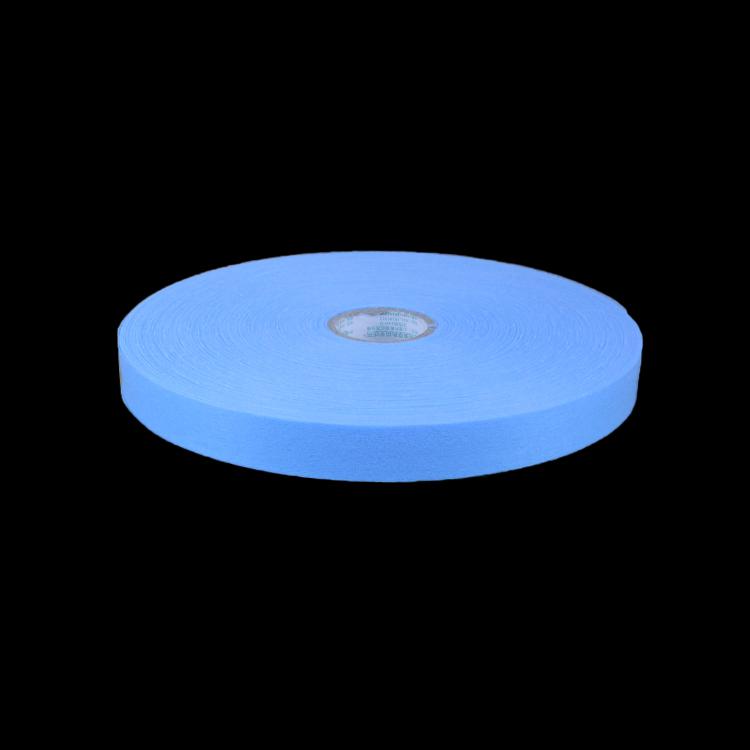
ADL options differ by fiber type, structure, and finish. Hydrophilic spunbond, hot air through, and air through constructions each behave differently in acquisition and distribution, so the selection should follow the product's performance target rather than a single generic specification.
Selection Criteria Buyers Should Confirm
Before approving an ADL material, purchasing and technical teams should align on the following points with the supplier:
-
Product application: baby diaper, adult incontinence, sanitary napkin, or underpad.
-
Construction type and fiber structure suited to the target acquisition and distribution behavior.
-
Compatibility with the selected top sheet, core, and backsheet in the finished stack.
-
Softness and thickness requirements for the intended product tier.
-
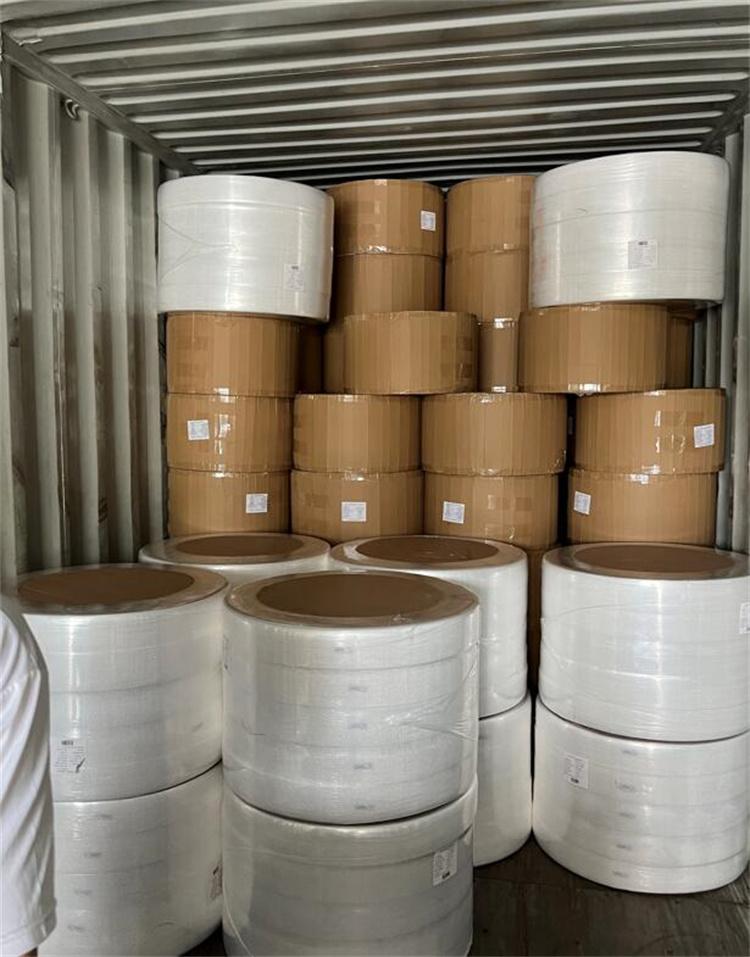
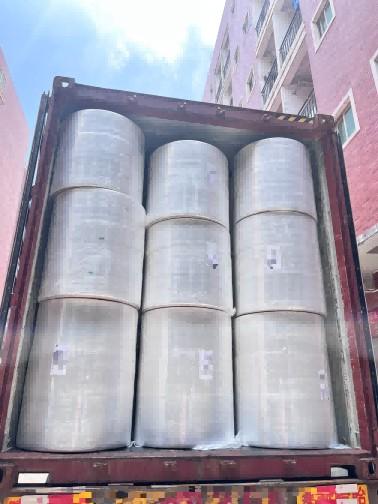
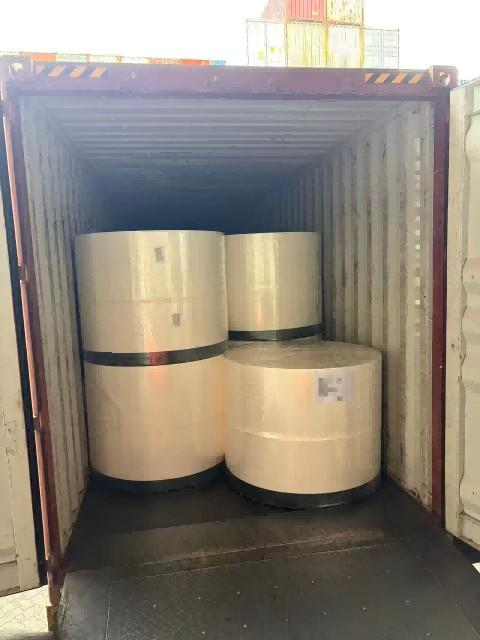
Roll format, width, and handling requirements for the converting line.
-
Consistency between sample performance and production-lot performance.
For related material options, buyers can review ADL non woven fabric roll for diaper materials and compare it with hot air through ADL non woven for baby diaper raw materials when the product target calls for a different acquisition profile.
Questions to Ask an ADL Supplier
-
Which ADL constructions do you supply for diaper, adult incontinence, and sanitary napkin applications?
-
What documentation can you provide for the material specification?
-
How do you support sample evaluation against our top sheet and core?
-
What is the recommended handling and storage guidance for the rolls?
-
How do you control lot-to-lot consistency for converting lines?
Clear answers to these questions reduce the risk of a material that performs well in a sample but behaves differently in full production.
Conclusion
As an essential component in diaper production, ADL plays a key role in improving absorption performance, dryness, and comfort. Choosing high quality ADL materials can help diaper manufacturers produce better hygiene products and meet market demands for premium performance.
To move forward, buyers can request ADL samples and specification details for their target product, or review the broader product catalog to compare related diaper raw materials before finalizing a supplier.




 Email: info@whldiapernonwoven.com
 MP/WhatsApp: +86-13599937366
 Manufacturer Address:Room 1105B, Bld M1, Manhattan, Yulongwan, Shimao, Shuanglong Road, Meiling Street, Jinjiang, Fujian, China