Hot melt adhesive is the bonding material that holds a diaper together. It joins nonwoven fabric, PE backsheet film, elastic components, and the absorbent core into one stable structure, and it does this at the speeds of a modern converting line. This guide explains what hot melt adhesive does in diaper construction, how it affects comfort, leakage protection, and production efficiency, and what a hygiene raw-material buyer should verify before approving a supplier.
Scope note: this article covers the functional role of hot melt adhesive in diaper, sanitary napkin, and adult-incontinence production. It does not quote specific adhesive grades, application temperatures, open times, or bond strengths, because those values depend on the exact product and line configuration and must come from the supplier's technical data sheet.
What does hot melt adhesive do in a diaper?
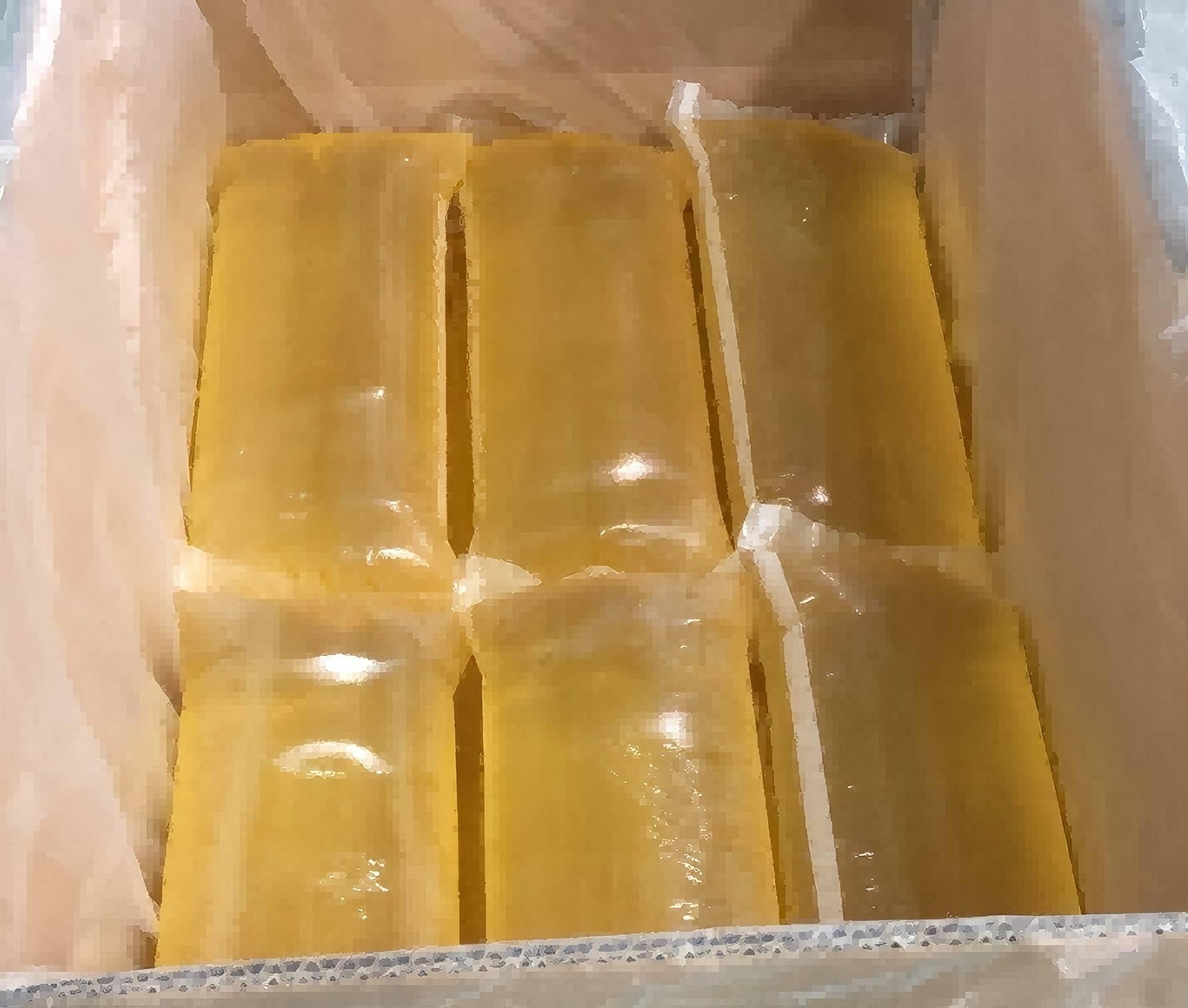
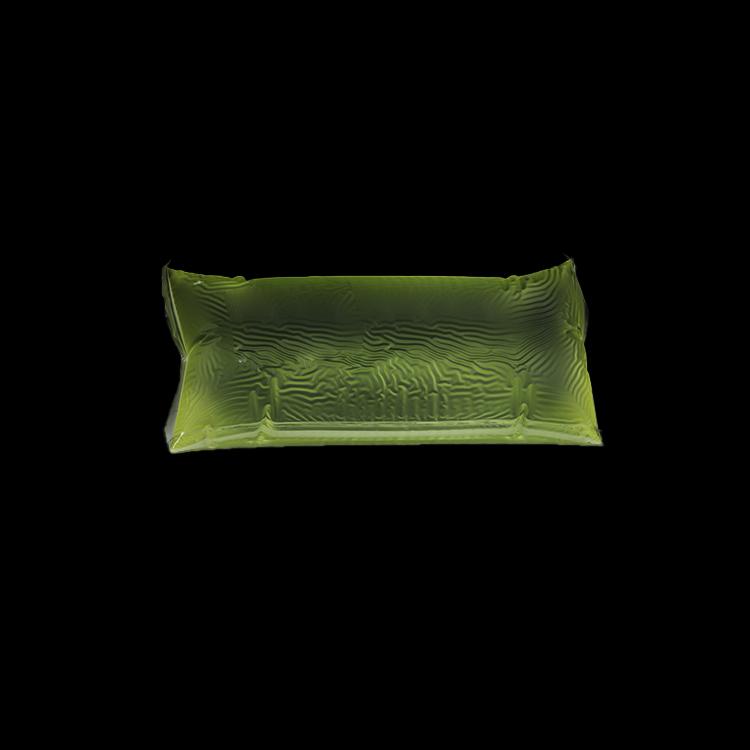
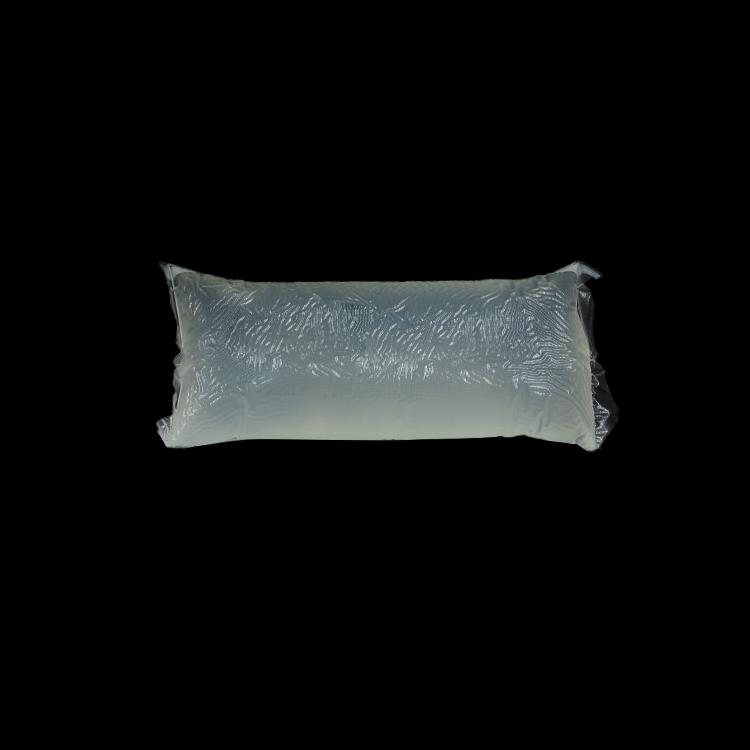
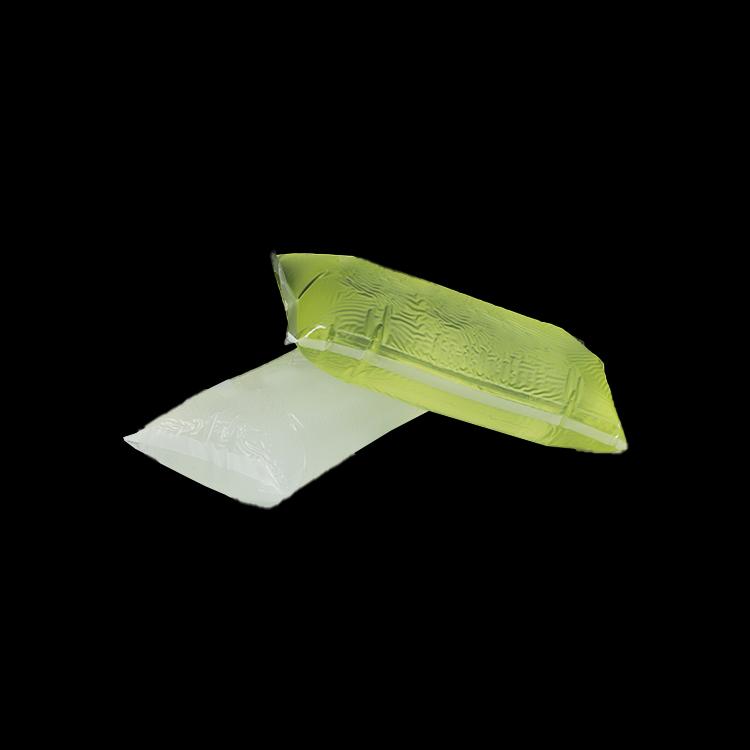
Hot melt adhesive is a thermoplastic bonding material applied in a molten state and set by cooling. In diaper construction it performs several distinct jobs at once:
-
Bonding the topsheet, acquisition layer, core, and backsheet into a single laminated structure.
-
Anchoring elastic strands and elastic film at the waist and leg cuffs so they stay positioned.
-
Stabilizing the absorbent core so SAP and fluff pulp do not shift during wear.
-
Sealing and reinforcing edges and cuffs that control leakage.
-
Supporting closure and fastening zones on the front panel and side panels.
Because these functions sit in different parts of the product, diaper manufacturers typically use more than one adhesive type in the same line — for example, construction adhesive, elastic-attachment adhesive, and core-stabilization adhesive. Each has its own performance requirements.
How hot melt adhesive affects diaper comfort
Adhesive choice directly influences how soft and flexible a finished diaper feels. A stiff or brittle bond line can make the product feel rigid, especially at the waist and leg openings where the diaper must move with the wearer.
Adhesive technologies that allow strong bonding at low add-on levels help manufacturers keep the laminate flexible rather than board-like. The practical comfort goals are:
-
Softness and flexibility in the areas that contact skin.
-
Reduced stiffness and noise during movement.
-
Consistent hand feel across the full production run.
Comfort matters most for babies and adults with sensitive skin, where a stiff cuff or a rough bond line can cause rubbing. Adhesive selection should therefore be evaluated together with the nonwoven and film it bonds to, not in isolation.
How hot melt adhesive supports leak prevention
Leakage protection depends on materials staying exactly where they were placed. If elastic strands migrate or core material shifts, the fit changes and the seal around the legs and waist can fail.
Adhesive contributes to leakage control by:
-
Holding core components and elastic parts in their designed position.
-
Maintaining the intended fit and structure through movement.
-
Supporting sealing performance at the leg cuffs and waistband.
This is a system effect: adhesive performance, elastic tension, nonwoven properties, and film behavior all interact. A change in any one of them can change leakage performance even if the adhesive itself is unchanged.
How hot melt adhesive supports production efficiency
On a high-speed diaper line, adhesive is also a process material. It must apply cleanly, bond quickly, and behave consistently run after run. Adhesive-related problems such as inconsistent application, clogging, or poor bonding typically show up as line stoppages and waste rather than as a finished-product defect.
Manufacturers generally evaluate adhesive on these production criteria:
-
Stable, repeatable application across the run.
-
Reduced material waste from rejects and rework.
-
Compatibility with the line's existing application equipment.
Selecting the right adhesive solution affects both product quality and operational cost, which is why adhesive is usually qualified alongside the nonwoven and film it will bond. For a closer look at how adhesive behaves in high-speed hygiene production, see how hot melt adhesive supports high-speed hygiene product production.
Durability and consistency over the product lifecycle
A diaper must survive more than the moment of application. It is compressed in packaging, stored in varying temperature and humidity conditions, transported, and then worn under movement and pressure. Adhesive bonds need to hold through all of these stages.
Durability requirements typically include:
-
Bond strength that is maintained under movement and pressure.
-
Stability during transportation and warehouse storage.
-
Consistent performance from the first unit to the last unit in a batch.
Consistency is what protects brand reputation. A diaper that performs well in one shipment and poorly in the next usually points to a raw-material or process variation rather than a design change.
What a hygiene raw-material buyer should verify
Because adhesive performance is application-specific, buyers should request documented data rather than rely on general claims. A practical checklist:
|
Verification item
|
Why it matters
|
|
Technical data sheet for the specific grade
|
Confirms the adhesive is intended for the target application and substrate.
|
|
Recommended application parameters
|
Application temperature, open time, and add-on level must match the line's equipment and speed.
|
|
Substrate compatibility
|
Adhesive must bond the actual nonwoven, PE film, and elastic used in the product.
|
|
Batch-to-batch consistency evidence
|
Protects finished-product consistency across shipments.
|
|
Storage and handling conditions
|
Prevents performance loss before the adhesive reaches the line.
|
|
Regulatory and safety documentation
|
Required for hygiene products that contact skin.
|
Where a supplier cannot provide a specific value, treat it as unverified rather than assuming a typical figure. Assumptions about adhesive performance are a common source of line trials that fail late.
Common misconceptions
-
"Stronger adhesive is always better." Excessive bonding can stiffen the product and reduce comfort; the goal is the right bond for each location.
-
"One adhesive fits the whole diaper." Construction, elastic attachment, and core stabilization usually have different requirements.
-
"Adhesive is a commodity." Adhesive interacts with nonwoven, film, and elastic, so it should be qualified as part of the material system.
-
"Comfort and bond strength trade off." Modern adhesive technologies are designed to deliver both, but only when matched to the correct substrates and process settings.
Related materials and further reading
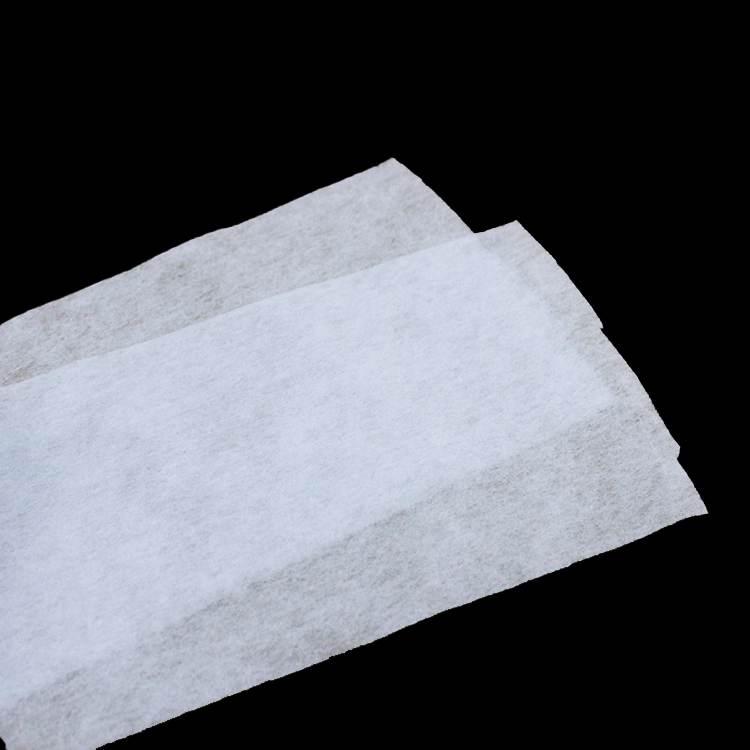
Hot melt adhesive does not work alone. Its performance depends on the nonwoven fabrics, backsheet films, elastic components, and absorbent materials it bonds. Buyers evaluating a full diaper material package can review the non woven fabrics product range to compare the substrates that adhesive must bond to.
Conclusion
Hot melt adhesive is a key material in modern diaper manufacturing. It determines bonding strength, influences comfort and flexibility, supports leak prevention, and enables efficient high-speed production. As consumer expectations for diaper quality rise, adhesive selection becomes a competitive factor rather than a purchasing detail.
The practical takeaway for buyers: qualify adhesive against the actual substrates and line conditions, request documented technical data for the specific grade, and treat unverified values as open questions. If you are looking for reliable hot melt adhesive solutions for diaper production, contact us for more information.




 Email: info@whldiapernonwoven.com
 MP/WhatsApp: +86-13599937366
 Manufacturer Address:Room 1105B, Bld M1, Manhattan, Yulongwan, Shimao, Shuanglong Road, Meiling Street, Jinjiang, Fujian, China