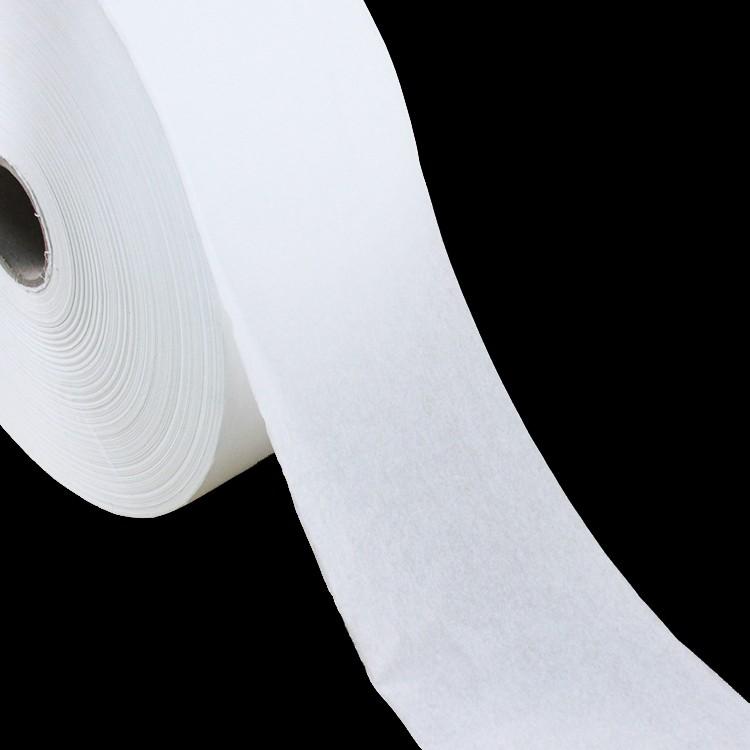
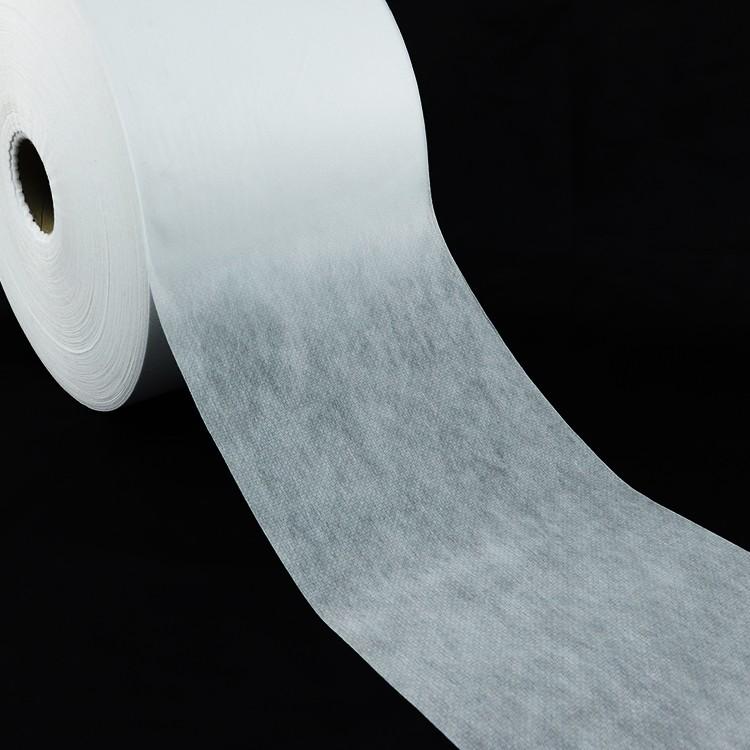
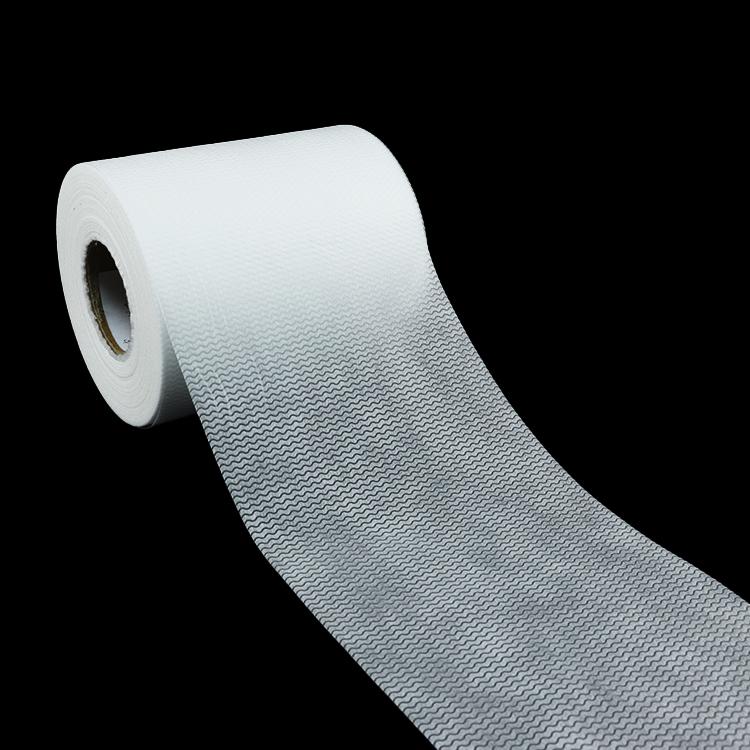
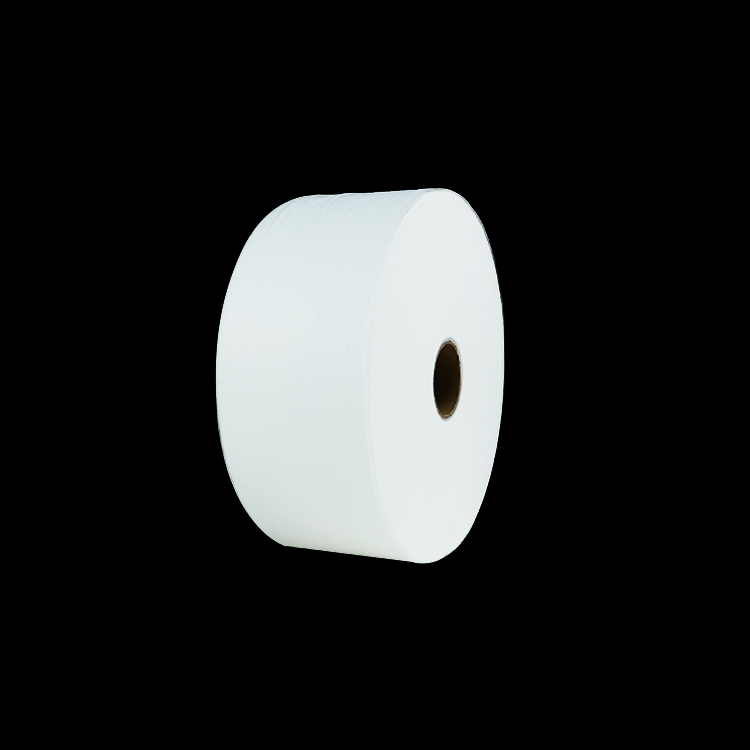
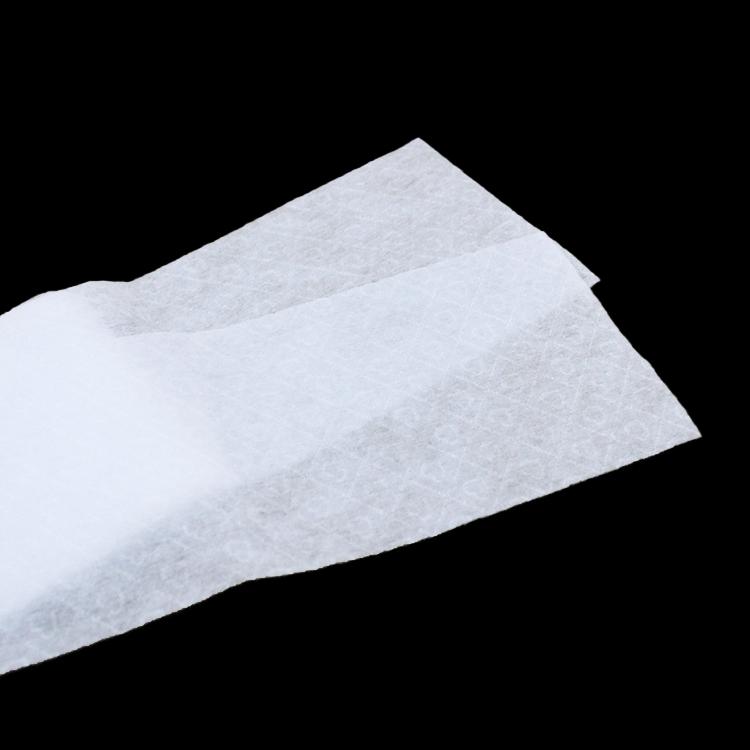
Tissue paper is a functional wrapping and support material for the absorbent core in baby diapers, sanitary napkins, and adult incontinence products. Its job is not to absorb on its own, but to hold SAP and fluff pulp in place, keep the core structure stable, and help liquid move evenly through the product. This guide explains what tissue paper does in a hygiene product, how it supports absorbency and comfort, and what a raw-material buyer should verify before specifying it.
What Tissue Paper Does in Hygiene Products
In diaper and sanitary product manufacturing, tissue paper is mainly applied as a wrapping and supporting material for the absorbent core. It sits around or within the core, where it interacts with SAP, fluff pulp, and the surrounding nonwoven and film layers.
Its primary functions include:
-
Holding SAP and fluff pulp in place
-
Supporting core structure stability
-
Assisting liquid distribution inside the product
Together, these functions help hygiene products maintain their shape and absorption performance during use. For buyers, the practical takeaway is that tissue paper is a core-integration material: it influences how the absorbent core behaves as a system, not just how one layer performs in isolation.
How Tissue Paper Supports Absorbency Performance
One of the key advantages of tissue paper is its ability to improve liquid absorption efficiency. High-quality tissue paper helps distribute liquid evenly throughout the absorbent core, allowing SAP to perform more effectively.
This contributes to:
-
Faster liquid absorption
-
Reduced liquid accumulation
-
Better dryness and comfort
Efficient liquid management is essential for high-performance hygiene products. When liquid is distributed more evenly, the absorbent core can use its SAP more consistently instead of concentrating moisture in one area. That is why tissue paper selection should be evaluated alongside SAP and fluff pulp, not as a standalone purchase.
For related reading on how absorbent materials work together, see the role of sanitary pad raw materials in diaper absorbency.

How Tissue Paper Contributes to Product Comfort
Soft and lightweight tissue paper helps improve the overall comfort of diapers and sanitary products. Its gentle texture supports a more comfortable wearing experience while maintaining product flexibility.
In addition, quality tissue paper helps reduce core deformation during movement, ensuring the product remains comfortable throughout use. For manufacturers, this means comfort is not only a topsheet or backsheet question. The core wrap and support layers also affect how the product feels and behaves when the wearer moves, sits, or sleeps.
Supporting Product Stability and Durability
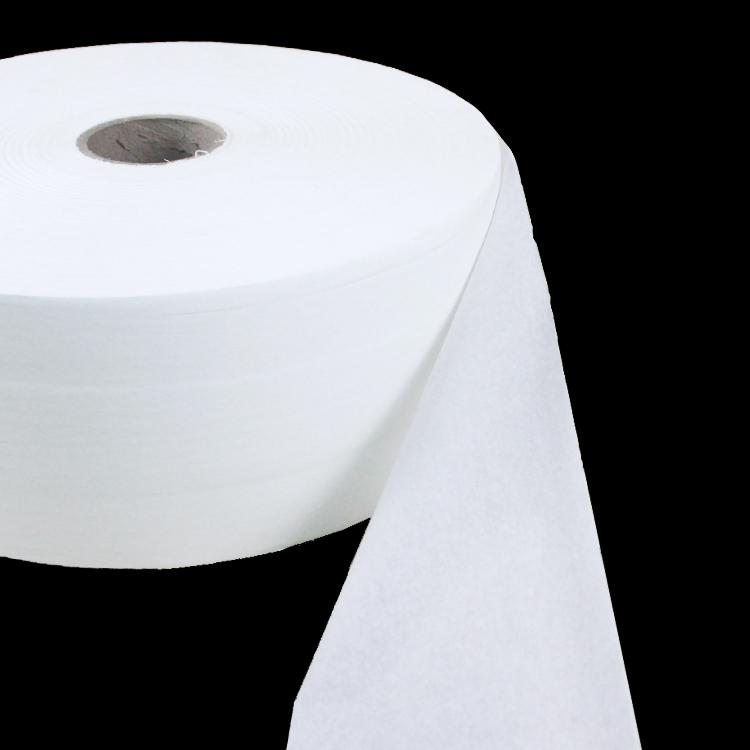
Tissue paper also plays an important role in maintaining the integrity of the absorbent core. By securely wrapping core materials, it helps prevent shifting and leakage problems.
Key benefits include:
-
Better core stability
-
Improved product durability
-
Reduced risk of material leakage
This is especially important during transportation, storage, and active use. A core that holds together in the converting line may still fail if the wrap does not manage SAP and fluff pulp properly through compression, packing, and end use. Buyers should therefore treat tissue paper as a stability component, not only a cost item.
What Hygiene Raw-Material Buyers Should Verify
When specifying tissue paper for diapers, sanitary napkins, or adult incontinence products, purchasing and technical teams should confirm the following with the supplier:
-
Intended position in the absorbent core and compatibility with the existing core design
-
Behavior with the selected SAP and fluff pulp, including liquid distribution expectations
-
Wet strength and handling performance during converting, transportation, and storage
-
Roll format, width, and splicing requirements for the production line
-
Consistency between trial samples and repeat production lots
-
Documentation and certificates available for the specific grade
Where a value is not confirmed by the supplier or by your own trial data, treat it as an open question rather than an assumption. This is especially important for absorption-related claims, because tissue paper performance depends on the full core system.
Related Materials and Next Steps
Tissue paper works alongside other hygiene raw materials, including nonwoven fabrics, backsheet films, hot melt adhesive, SAP, fluff pulp, and closure systems. If you are reviewing the full material set for a diaper or sanitary product, you can download the product catalog to review available categories and specifications.
You can also explore non woven fabrics for hygiene products to compare how coverstock, core wrap, and other nonwoven layers interact with tissue paper in the absorbent core.
Conclusion
Tissue paper is an essential material in hygiene product applications. Its ability to improve absorbency, comfort, stability, and product performance makes it a key component in modern diaper and sanitary product manufacturing.
As the hygiene industry continues to evolve, high-quality tissue paper will remain an important solution for manufacturers seeking reliable and high-performance raw materials. For buyers, the priority is to verify how a specific tissue grade performs with your SAP, fluff pulp, and converting process before locking in a specification.




 Email: info@whldiapernonwoven.com
 MP/WhatsApp: +86-13599937366
 Manufacturer Address:Room 1105B, Bld M1, Manhattan, Yulongwan, Shimao, Shuanglong Road, Meiling Street, Jinjiang, Fujian, China