In modern disposable diaper manufacturing, fast absorption and long-lasting dryness are two of the most important factors affecting product performance. While materials such as Super Absorbent Polymer (SAP) and fluff pulp provide the main absorption capacity, the Acquisition Distribution Layer (ADL) plays a critical role in managing liquid before it reaches the absorbent core.
A well-designed ADL helps quickly acquire liquid from the topsheet, distribute it across the absorbent core, and reduce the amount of liquid remaining near the skin. This improves absorption efficiency, surface dryness, leakage protection, and overall wearing comfort. This article explains how ADL works, why it is important in disposable diapers, and how manufacturers can select the right ADL material for their production needs.
What Is ADL?
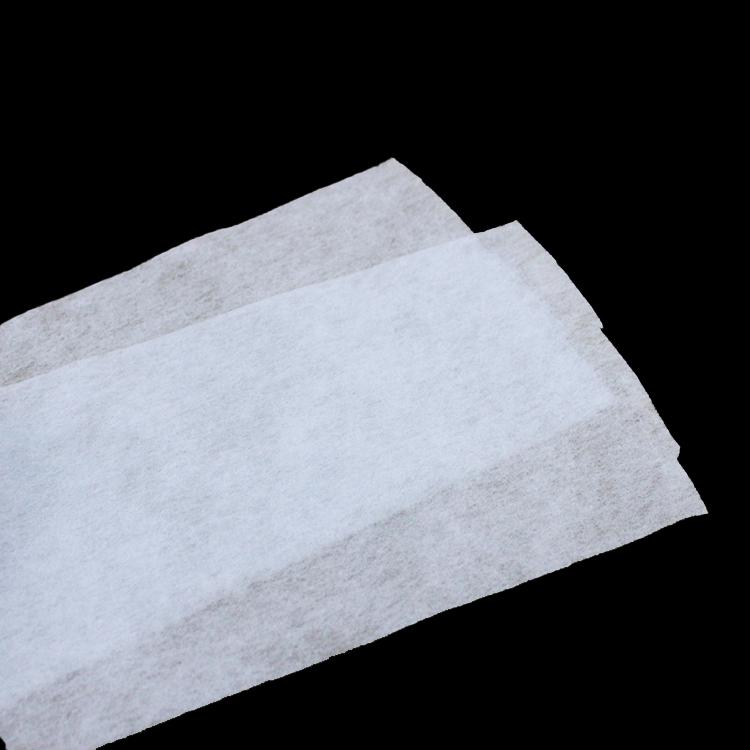
ADL stands for Acquisition Distribution Layer. It is a functional layer located between the topsheet and the absorbent core of a diaper. Its main purpose is to manage liquid efficiently by:
- Quickly receiving liquid from the topsheet
- Temporarily storing liquid
- Distributing liquid across the absorbent core
- Reducing liquid pooling
- Supporting faster absorption by SAP and fluff pulp
- Helping maintain a drier surface
Unlike the absorbent core, ADL is not designed to permanently retain large amounts of liquid. Instead, it acts as a bridge that improves the movement of liquid from the surface into the absorbent core.
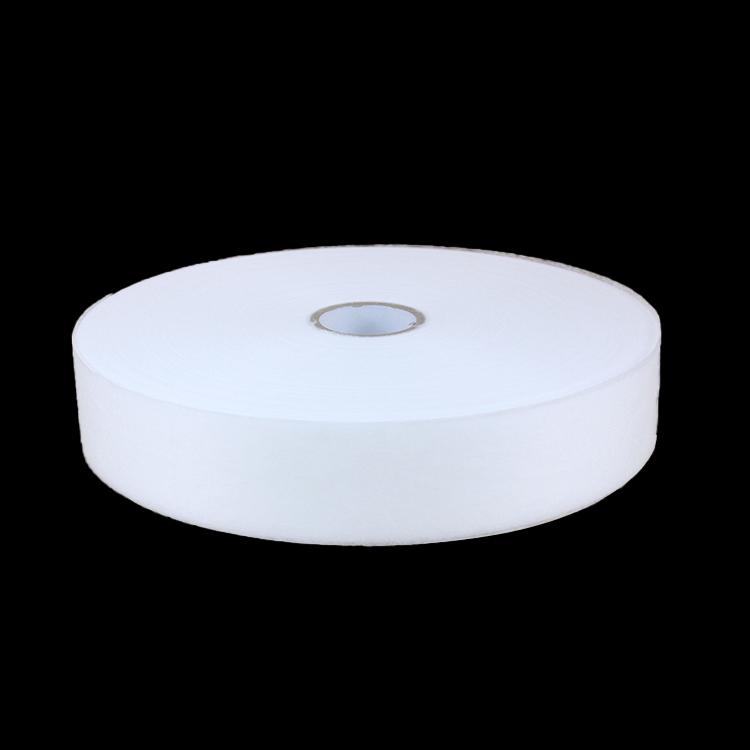
How ADL Improves Liquid Acquisition
When a baby wets a diaper, liquid first contacts the topsheet. If the liquid cannot pass through quickly, it may remain on the surface and create an uncomfortable wet feeling. A high-quality ADL provides an open structure that allows liquid to move rapidly away from the topsheet.
The basic liquid management process is:
Topsheet → ADL → Absorbent Core → SAP
The ADL helps accelerate this process and reduces the time liquid spends near the skin.
Faster Initial Absorption
A good ADL can help improve the initial acquisition of liquid, particularly during a sudden gush. This is important because diapers may receive a relatively large amount of liquid within a short period. Without effective liquid acquisition, the surface can become saturated and leakage risk may increase.
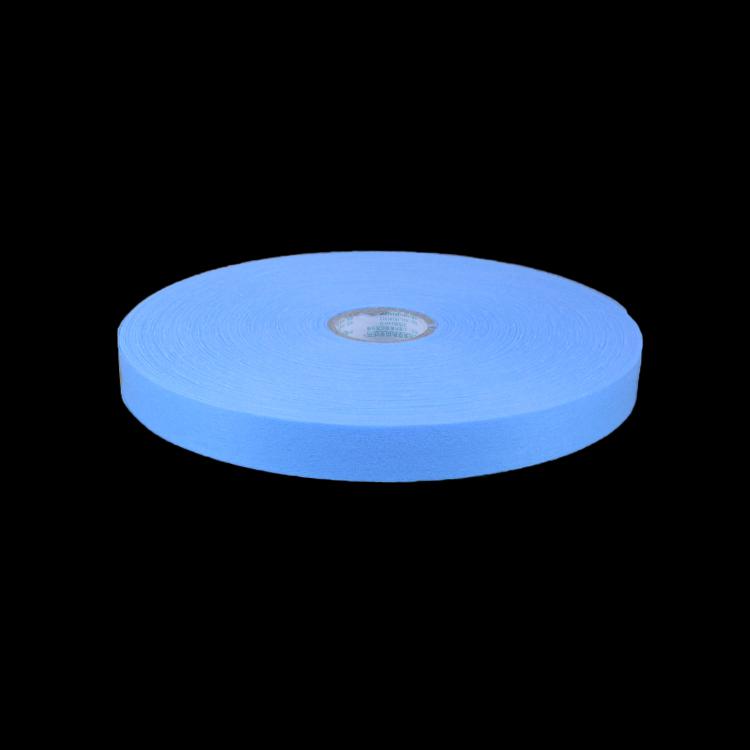
How ADL Improves Liquid Distribution
Fast acquisition alone is not enough. Liquid also needs to be distributed efficiently throughout the absorbent core. The ADL helps spread liquid over a larger area, allowing more of the absorbent core to participate in the absorption process. This can help prevent:
- Localized saturation
- Liquid pooling
- Excessive pressure on one area of the core
- Uneven use of SAP and fluff pulp
Better liquid distribution allows the absorbent core to work more efficiently.
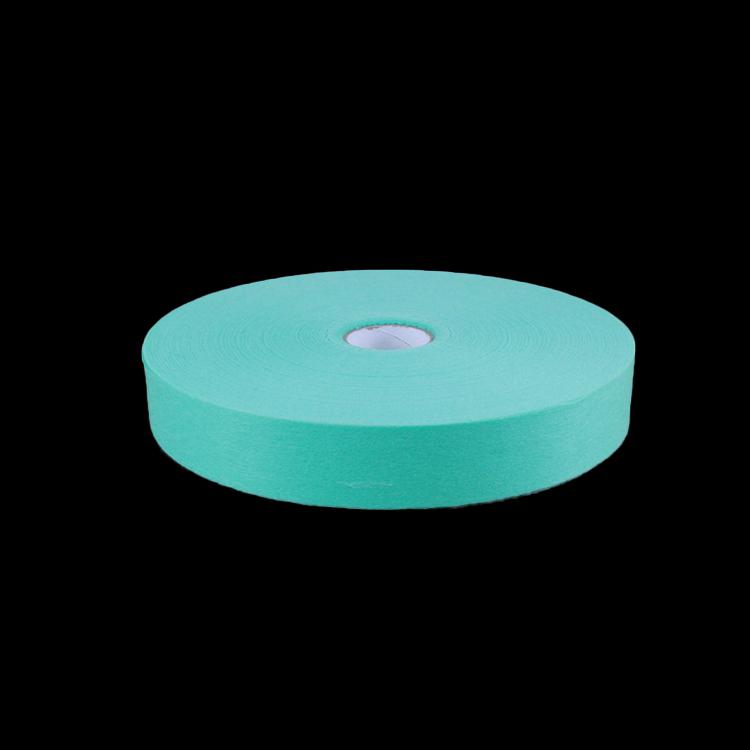
Important Properties of High-Quality ADL
When purchasing ADL for diaper manufacturing, several technical properties should be considered.
-
Liquid Acquisition Speed: Fast liquid acquisition helps minimize surface wetness and improve the overall absorption process.
-
Liquid Distribution Performance: The material should distribute liquid efficiently across the absorbent core rather than allowing fluid to accumulate in one location.
-
Hydrophilic Performance: Hydrophilic treatment helps the material receive and transport aqueous liquid effectively.
-
Structure and Thickness: The structure and thickness of ADL can influence liquid storage, acquisition speed, and distribution performance.
-
Softness: Since ADL is part of a diaper construction designed for sensitive skin, softness and flexibility are important considerations.
-
Production Stability: Consistent GSM, width, thickness, and roll quality are essential for high-speed diaper manufacturing.
Why ADL Quality Matters for Diaper Manufacturers
Choosing a suitable ADL can have a direct impact on finished diaper performance. High-quality ADL can help manufacturers achieve:
- Faster liquid acquisition
- More uniform liquid distribution
- Better surface dryness
- Improved leakage protection
- Greater wearing comfort
- More consistent production performance
For manufacturers producing premium diapers, ADL should therefore be considered an important functional raw material rather than simply another nonwoven component.
How to Choose the Right ADL
Different diaper designs may require different ADL specifications. Before purchasing, manufacturers should consider:
-
Product type: Baby diapers, adult diapers, training pants, and other products may have different requirements.
-
Basis weight: Common ADL specifications can vary depending on the diaper structure and performance requirements.
-
Width: The width should match the production line and diaper design.
-
Hydrophilicity: Appropriate hydrophilic performance is essential for effective liquid acquisition.
-
Liquid acquisition and distribution: Suppliers should be able to provide relevant technical data or samples for testing.
-
Machine compatibility: The ADL should run smoothly on the customer's production equipment.
-
Sample testing: Trial production is recommended before placing large-volume orders.
Why Choose WHL ADL?
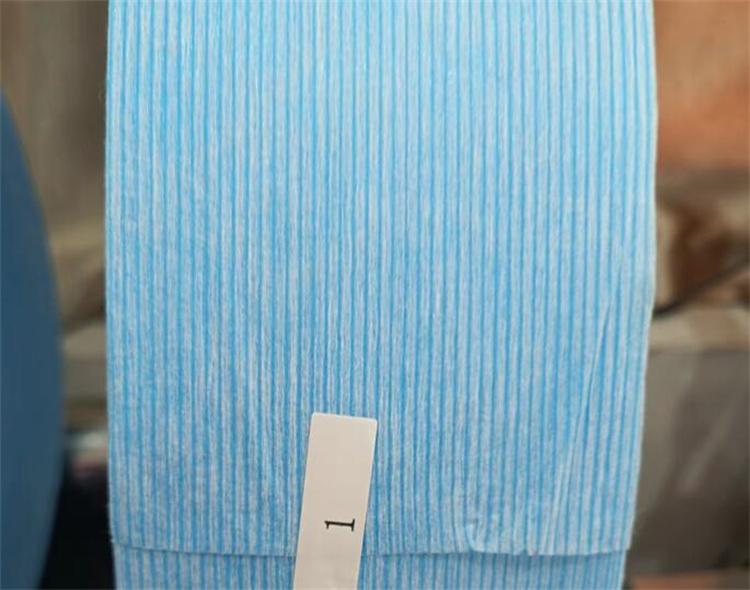
WHL supplies ADL nonwoven fabric for baby diapers, adult diapers, sanitary products, and other disposable hygiene applications. Our ADL solutions offer:
- Stable and consistent quality
- Excellent liquid acquisition performance
- Effective liquid distribution
- Hydrophilic options
- Multiple GSM and width specifications
- Roll formats suitable for production lines
- Sample support for customer testing
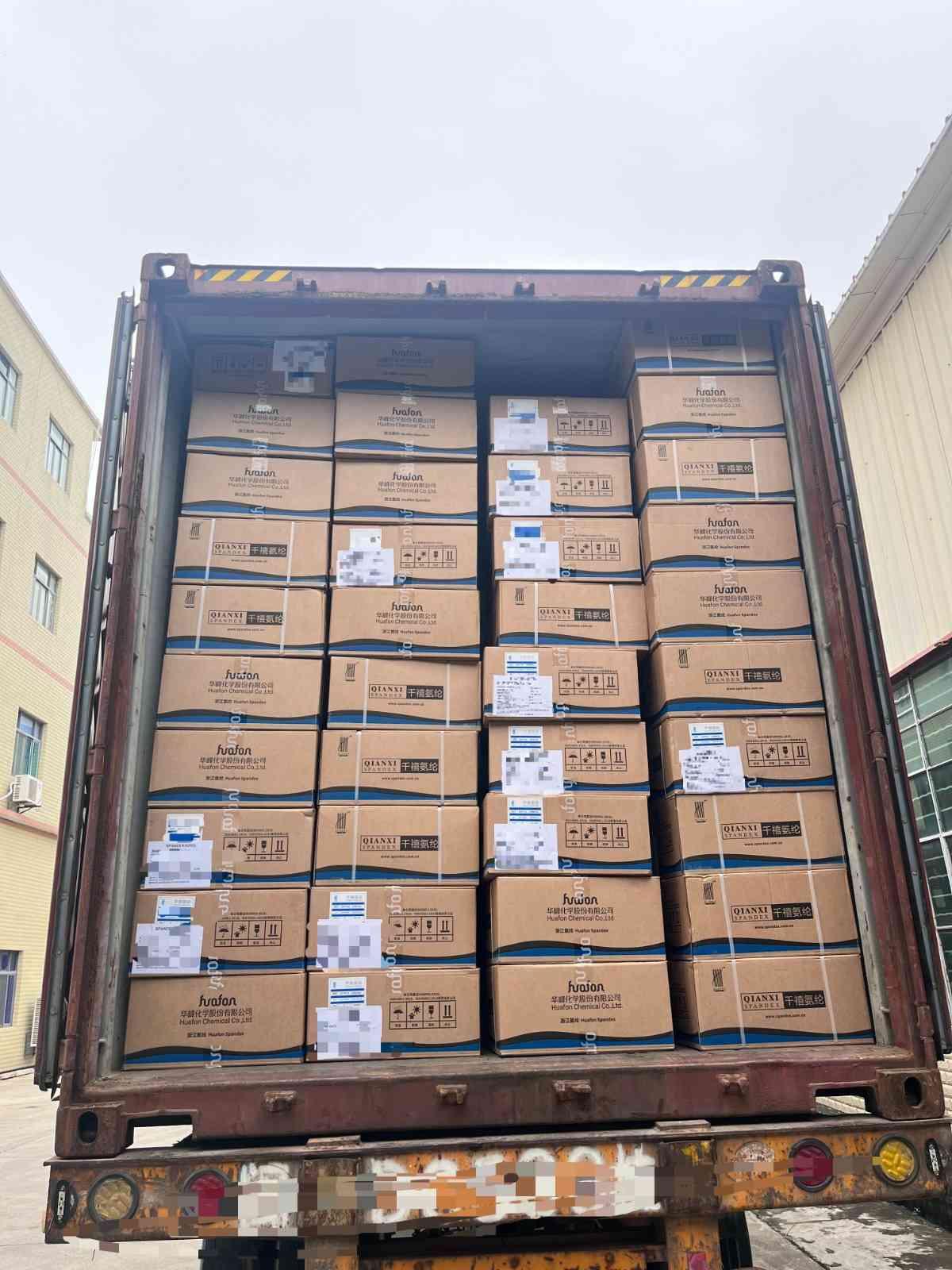
- Reliable export and supply capabilities
For more details on ADL specifications and options, you can review our Non Woven Fabrics catalog or read about ADL non woven fabric rolls for diaper materials.
WHL Also Supplies a Complete Range of Hygiene Raw Materials
Including:
- Super Absorbent Polymer (SAP)
- Fluff Pulp
- Hydrophilic Nonwoven Fabric
- Spunlace Nonwoven Fabric
- Breathable PE Film
- Perforated PE Film
- Tissue Paper
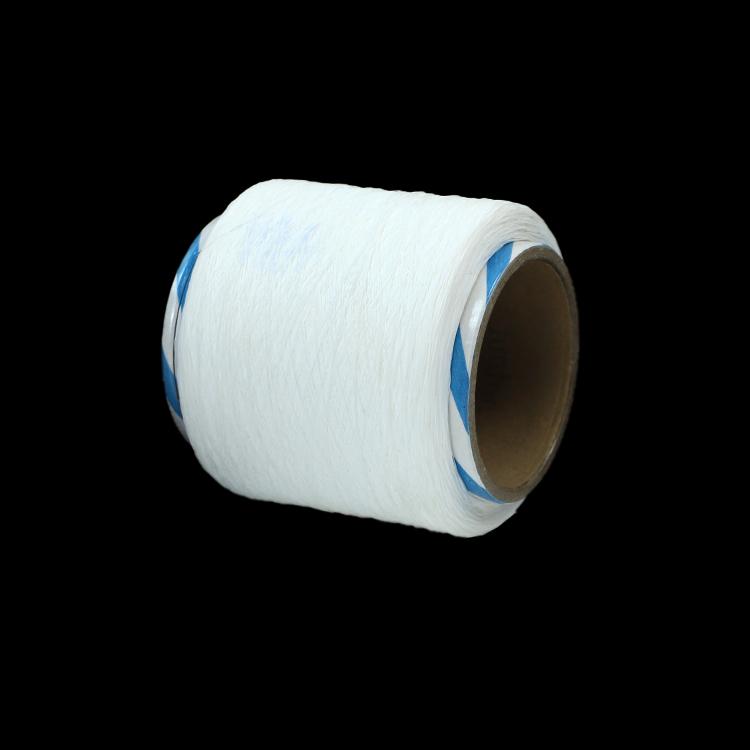
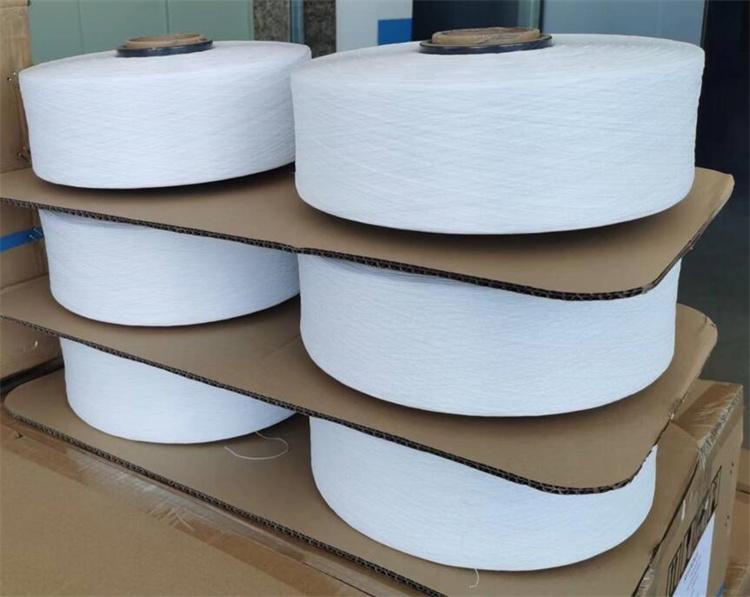
- Spandex Yarn
- PP Side Tape
- Frontal Tape
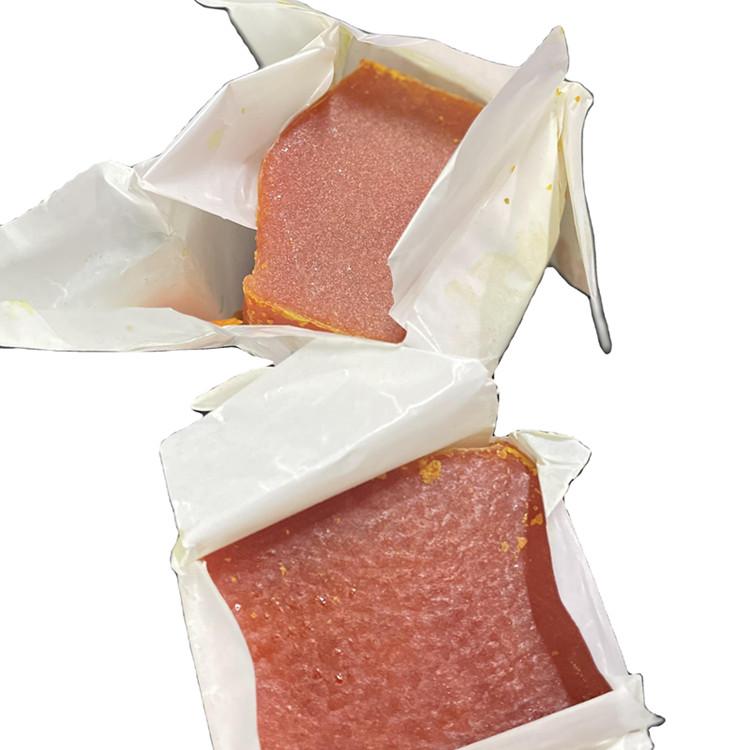
- Hot Melt Adhesive
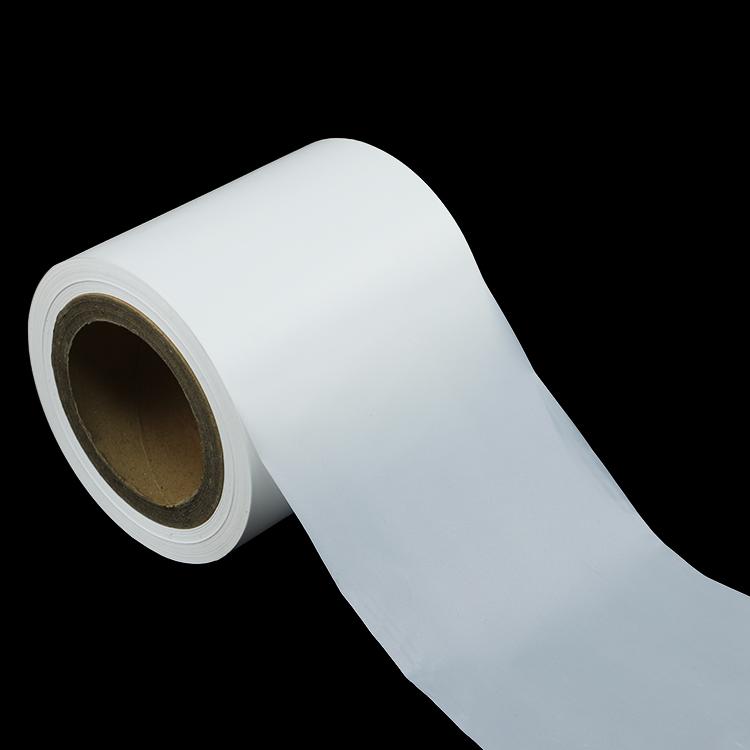
- Release Paper
Our one-stop sourcing service helps hygiene product manufacturers simplify procurement and build a more reliable raw material supply chain.
Conclusion
ADL plays an important role in the liquid management system of modern disposable diapers. By quickly acquiring liquid from the topsheet and distributing it throughout the absorbent core, ADL helps improve absorption speed, surface dryness, comfort, and leakage protection.
For diaper manufacturers, choosing the right ADL should involve more than simply comparing price. Factors such as liquid acquisition, distribution performance, hydrophilicity, GSM, thickness, width, and production compatibility should all be evaluated.
At WHL, we provide reliable ADL and other hygiene raw materials to manufacturers worldwide. Whether you need standard specifications or samples for machine trials, our team can help you find a suitable solution for your production requirements.
Contact WHL today to request ADL samples, specifications, or a quotation for your next production project.




 Email: info@whldiapernonwoven.com
 MP/WhatsApp: +86-13599937366
 Manufacturer Address:Room 1105B, Bld M1, Manhattan, Yulongwan, Shimao, Shuanglong Road, Meiling Street, Jinjiang, Fujian, China