This guide explains what SMMS nonwoven fabric is, why it is used in diaper construction, and which material and supply criteria a hygiene raw-material buyer should verify before sampling or bulk ordering. It is written for purchasing, technical, quality, and production teams at diaper, adult-incontinence, and sanitary napkin manufacturers. Statements below describe general material structure and function; specific GSM, width, breathability, and strength values must be confirmed against the supplier's actual test data for each grade.
What Is SMMS Nonwoven Fabric?
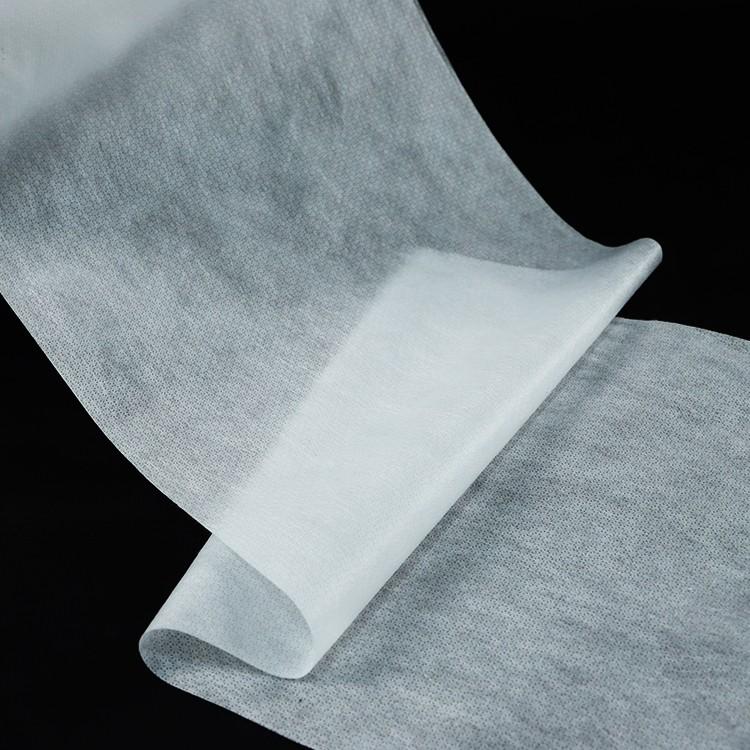
SMMS stands for Spunbond-Meltblown-Meltblown-Spunbond. It is a multi-layer nonwoven structure that combines strength, softness, and barrier function in a single composite fabric.
In this construction, the spunbond layers provide durability and tensile strength, while the meltblown layers deliver barrier performance. The double meltblown layer is the main difference from simpler SMS structures, and it is the reason SMMS is often selected where both softness and liquid or particle barrier are required.
Because of this combination, SMMS fabric is used in hygiene products such as baby diapers, adult diapers, and sanitary napkins, typically in applications where the material contacts skin or must resist strike-through.
Why SMMS Nonwoven Is Used in Diaper Production
Diaper performance depends on how each material layer manages comfort, containment, and manufacturability. SMMS nonwoven contributes on all three fronts, which is why it appears in top-sheet, side-panel, and barrier-related positions depending on the product design.
Superior Softness for Enhanced Comfort
Comfort is a primary factor in diaper design. Because a diaper stays in direct contact with skin for extended periods, the material must be gentle and non-irritating.
SMMS nonwoven fabric is selected for:
-
A soft, smooth surface hand feel
-
Gentle contact with sensitive skin
-
Improved flexibility and drape for a better fit
These qualities support a better wearing experience for both babies and adults. Buyers should confirm softness expectations through physical samples rather than specification sheets alone, since hand feel is not fully captured by numeric data.
Excellent Breathability
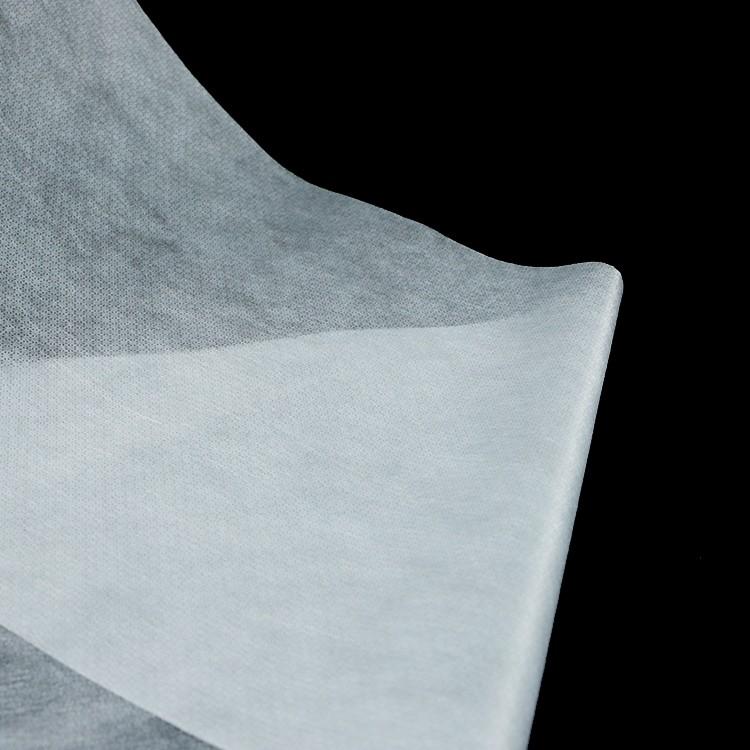
Modern consumers expect diapers that keep skin dry and comfortable. SMMS nonwoven fabric provides air permeability, allowing moisture vapor to escape while the structure maintains its integrity.
Benefits associated with improved breathability include:
-
Reduced heat accumulation inside the diaper
-
Better airflow within the product
-
Lower risk of skin irritation associated with trapped moisture and heat
Breathability targets vary by product type and position in the diaper. A buyer should request the supplier's measured air-permeability data for the exact grade under consideration and confirm it against the finished-product requirement.
Material and Specification Criteria Buyers Should Verify
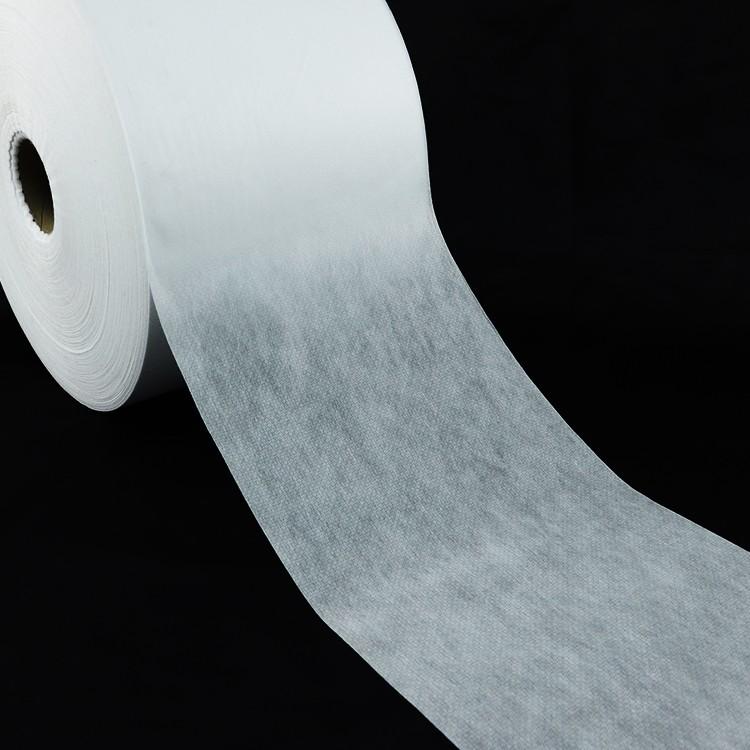
Because SMMS is a multi-layer composite, its performance depends on the balance between layers, not on a single number. When evaluating a grade, request documented data for the following and confirm the test method used for each:
-
Basis weight (GSM) and layer configuration
-
Width and roll format, including core size and roll diameter
-
Tensile strength and elongation in machine and cross directions
-
Air permeability / breathability
-
Hydrostatic head or strike-through behavior, depending on the intended position
-
Surface finish and bonding pattern, which affect hand feel and lamination behavior
-
Fiber composition and any hydrophilic or hydrophobic treatment
Where a specification is not documented, treat it as unverified. Do not assume values from one grade apply to another, even from the same supplier.
Production Compatibility and Trial Considerations
A material that performs well in a lab sample can still cause issues on a high-speed diaper line. Before committing to bulk supply, buyers should plan for a structured trial:
-
Define the target position in the diaper and the performance it must deliver.
-
Request samples of the specific grade, not a generic SMMS sample.
-
Run the material on the actual production line at target speed.
-
Check web handling, tension stability, splicing, and lamination behavior.
-
Inspect finished products for softness, leakage, and fit consistency.
-
Compare trial results against the agreed specification before releasing a purchase order.
For reference on how SMMS and related nonwoven grades are positioned in hygiene applications, see the Non Woven Fabrics range and the Hydrophobic SMMS Non Woven Fabric Diaper Production Raw Materials product page.
Questions a Hygiene Raw-Material Buyer Should Ask
-
Which exact grade is quoted, and what is its layer structure and GSM?
-
What test methods were used for breathability, strength, and barrier data?
-
Is the material supplied in the width and roll format our line requires?
-
Can the supplier provide a sample for line trial before a bulk order?
-
What are the packaging, storage, and shelf-life conditions for the material?
-
What quality documentation accompanies each shipment?
-
What are the stated MOQ, lead time, and supply terms for repeat orders?
Answers to these questions should be confirmed in writing. Where a supplier cannot provide documented data, the buyer should treat the claim as an assumption rather than a verified fact.
Conclusion
SMMS nonwoven fabric has become a core material in modern diaper manufacturing because it combines softness, breathability, and barrier performance in one structure. For manufacturers, the practical value lies not only in the material itself but in selecting the correct grade, verifying its documented properties, and confirming line compatibility through trial runs.
As hygiene product requirements continue to tighten, buyers who base decisions on verified specifications and production trials will be better positioned to improve product performance and maintain consistent supply. To review available nonwoven options and related raw materials, start with the Download Product Catalog.




 Email: info@whldiapernonwoven.com
 MP/WhatsApp: +86-13599937366
 Manufacturer Address:Room 1105B, Bld M1, Manhattan, Yulongwan, Shimao, Shuanglong Road, Meiling Street, Jinjiang, Fujian, China