Selecting the right Super Absorbent Polymer is a key step in producing high-quality baby diapers. Factors such as absorption capacity, absorption speed, gel strength, rewet performance, particle size, and compatibility with fluff pulp all contribute to diaper performance and consumer satisfaction.
By carefully evaluating these factors and partnering with a reliable SAP supplier, diaper manufacturers can optimize product quality, reduce production costs, and gain a competitive advantage in the hygiene products market.
In this article, we explore the key factors to consider when selecting SAP for baby diaper manufacturing.
1. Absorption Capacity
One of the most important factors when selecting SAP is its absorption capacity.
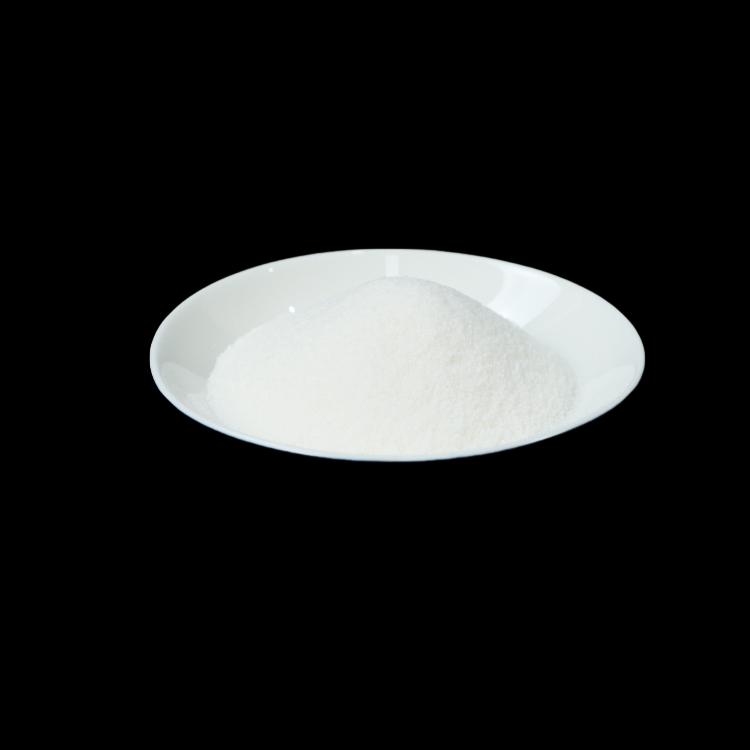
High-quality SAP can absorb multiple times its weight in liquid and effectively retain the liquid under pressure. A higher absorption capacity allows manufacturers to:
(1) Improve diaper performance
(2)Reduce leakage risks
(3)Lower fluff pulp consumption
(4) Produce thinner diapers
Manufacturers should evaluate both free swell capacity and retention capacity when comparing SAP products.
2. Absorption Speed
Fast liquid absorption is essential for baby diaper performance.
When a baby urinates, the SAP must quickly absorb and distribute the liquid throughout the absorbent core. Slow absorption can cause:
(1) Rewet problems
(2) Skin irritation
(3)Leakage
(4) Reduced comfort
Choosing SAP with excellent absorption speed helps maintain a dry diaper surface and enhances user satisfaction.
3.Rewet Performance
Rewet performance measures how much liquid returns to the diaper surface after pressure is applied.
Low rewet values help:
(1)Keep the baby's skin dry
(2)Reduce the risk of diaper rash
(3)Improve overall comfort
High-performance SAP can effectively lock liquid inside the absorbent core, minimizing moisture transfer back to the topsheet.
4. Particle Size Distribution
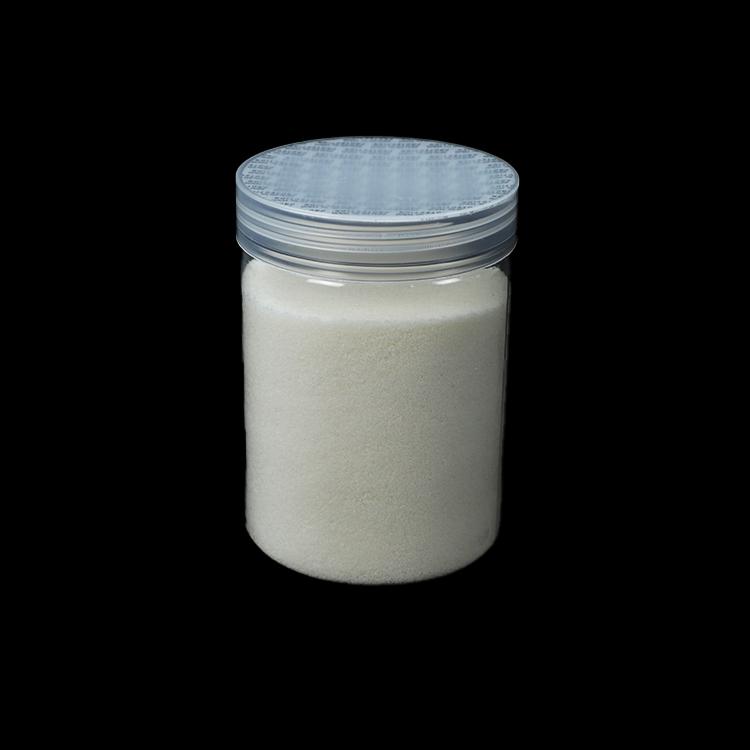
SAP particle size directly affects processing efficiency and product performance.
A consistent particle size distribution offers several benefits:
(1)Better machine runability
(2)More uniform core formation
(3)Improved absorption performance
(4)Reduced dust generation
Manufacturers should choose SAP grades that match their production equipment and absorbent core design.
5. Compatibility with Fluff Pulp
SAP and fluff pulp work together inside the absorbent core.
The selected SAP should be compatible with the fluff pulp being used to ensure:
(1)Uniform liquid distribution
(2)Optimal core structure
(3)Consistent absorbency
(4)Reduced material waste
A balanced SAP-to-pulp ratio can improve performance while controlling production costs.
Looking for high-quality SAP for baby diaper manufacturing? Contact WEIHONGLAI today to learn more about our absorbent hygiene raw material solutions.




 Email: info@whldiapernonwoven.com
 MP/WhatsApp: +86-13599937366
 Manufacturer Address:Room 1105B, Bld M1, Manhattan, Yulongwan, Shimao, Shuanglong Road, Meiling Street, Jinjiang, Fujian, China